
ISO 19650 Explained for Architecture Practices
ISO 19650 can look like a wall of acronyms. Underneath, it's a fairly practical way to manage information on a project.
ISO 19650 is an international series of standards for managing information over the life of a built asset using BIM. In the UK, it's published as BS EN ISO 19650 and has replaced earlier UK standards such as BS 1192 and PAS 1192-2. It's also referenced by clients in many other countries, including in the Middle East.
The main parts
- Part 1: concepts and principles
- Part 2: the delivery phase of assets, the part most design teams work with
- Part 3: the operational phase of assets
- Part 4: information exchange
- Part 5: a security-minded approach to information management
Further parts have been developed over time, so check the current list when a client references the series.
Key roles
ISO 19650 describes roles in terms of the appointing party, usually the client, the lead appointed party, often the lead designer or main contractor, and appointed parties, such as consultants and subcontractors. Each has responsibilities for specifying, producing and checking information.
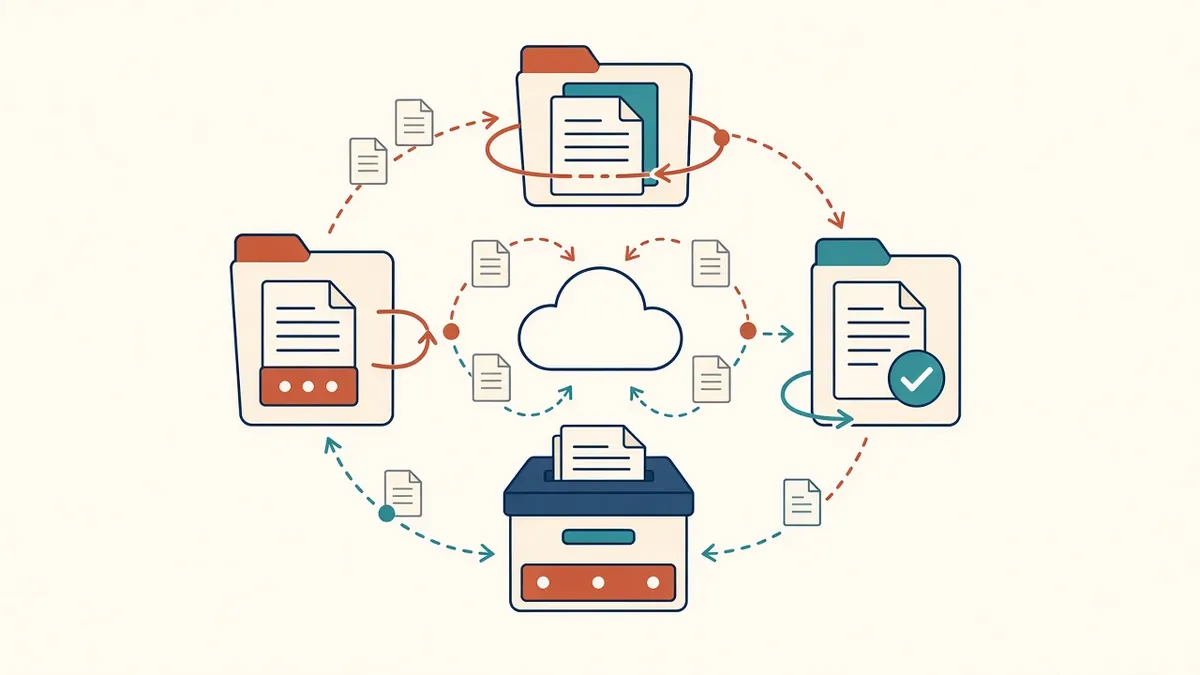
- Work in progressYour team develops information. It is not yet visible to others.
- SharedChecked information is shared with the wider team for coordination.
- PublishedAuthorised information for use, for example for construction.
- ArchivedA record of what was shared and published, kept for the project history.
Information requirements
The client sets out what information they need. Terms you'll see include:
- Organisational information requirements (OIR)
- Asset information requirements (AIR)
- Project information requirements (PIR)
- Exchange information requirements (EIR)
The EIR is the one design teams usually respond to directly, as it describes what information is needed, when and in what form.
The BIM execution plan
The delivery team responds with a BIM execution plan, describing how they'll meet the requirements: who does what, which standards and methods apply and how information will be exchanged.
The common data environment
Information is managed in a common data environment (CDE), with states such as work in progress, shared, published and archived. Information moves between states through checking and approval. This gives everyone clarity on what's draft and what can be relied on.
Naming and metadata
ISO 19650 expects consistent naming of containers, such as files. In the UK, the National Annex sets out a naming convention with fields for project, originator, volume or system, level and location, type, role and number, alongside status and revision metadata.
What it means for Architects
- Responding to EIRs and contributing to BIM execution plans
- Following agreed naming and status conventions
- Producing information at the agreed level of information need
- Checking and approving information before it's shared
Level of information need
ISO 19650 uses the concept of level of information need, rather than prescribing a single LOD scale. It covers geometry, alphanumeric information and documentation, defined according to purpose. A related standard, EN 17412-1, provides a methodology for defining it.
Getting started
ISO 19650 can look daunting, but at its heart it's about agreeing what information is needed, producing it consistently and making sure everyone knows which version to trust.
If your team needs extra production capacity for work like this, take a look at our Architectural production services, or tell us about your project.
Related articles

Writing a BIM Execution Plan That Gets Used
What goes in a BEP, and how to make it a working document.
Read more →
Understanding EIRs and Client Information Requirements
What clients ask for in EIRs, and how to respond clearly.
Read more →
File Naming Conventions for BIM Projects
Naming files so anyone can tell what they are, who made them and their status.
Read more →