
Researching Materials and Products for Specification
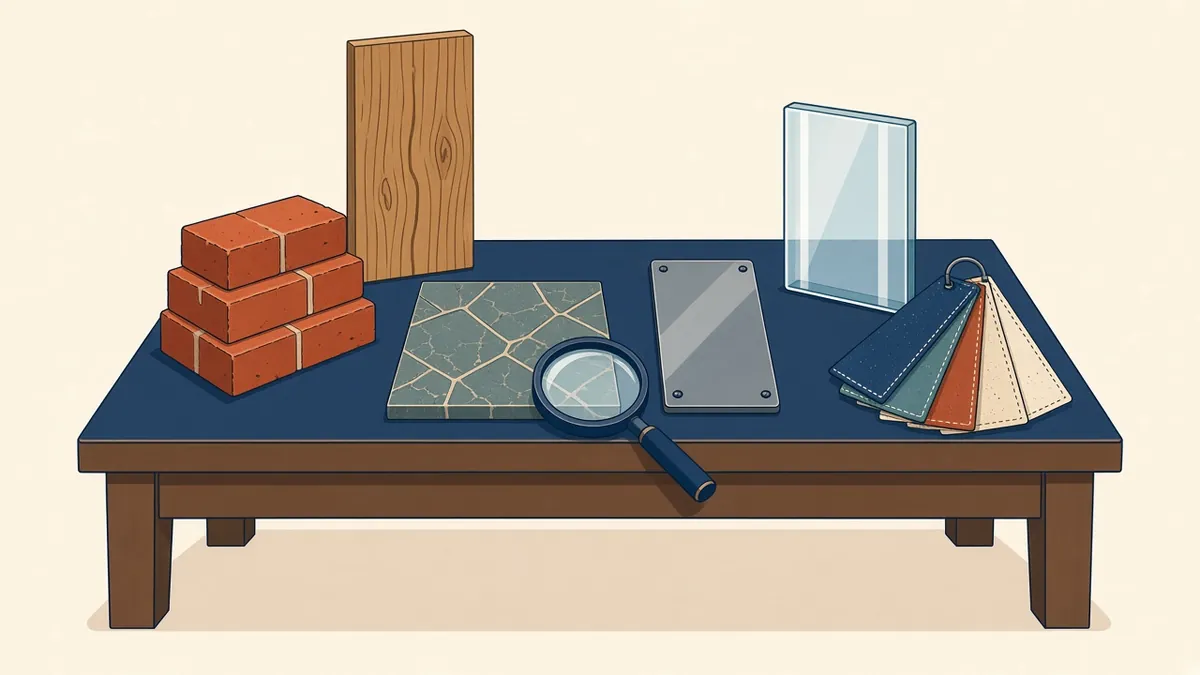
Choosing a material is about more than looks. Performance, availability and maintenance all count.
Choosing materials and products is a core part of design. Each choice affects performance, compliance, appearance and sustainability. Careful research helps Architects specify products that work and can be justified to clients and authorities.
Define requirements first
Before researching products, define what's needed:
- Performance, such as fire, thermal, acoustic or structural
- Durability and maintenance
- Appearance
- Sustainability goals
- Compliance requirements
Clear requirements make product comparisons easier.
Manufacturer information
Product data sheets, technical guides and installation instructions provide key information. Check that data refers to the product and configuration you're specifying.
Test evidence
For performance claims, such as fire resistance or reaction to fire, ask for test reports or classification documents. Check that tests match the intended use, such as the same substrate, fixing method and build-up.
Certifications
Third-party certifications provide independent evidence:
- Product certification schemes
- Agrément certificates, such as BBA certificates in the UK
- Listings from bodies such as UL in the US
- Authority approvals in the UAE, such as civil defence approvals for fire safety products
Environmental information
Environmental Product Declarations (EPDs) provide standardised data on environmental impacts, often to EN 15804 in Europe or ISO 14025 frameworks. They help compare embodied carbon.
Availability
Compatibility
Check that products are compatible with adjacent materials and systems, such as sealants with substrates or membranes with insulation.
Maintenance
Consider maintenance needs and lifespan. Ask for maintenance guidance.
Past experience
Office experience with products, both good and bad, is valuable. Keep records of products used and how they performed.
Avoid relying on marketing
Marketing materials may not show limitations. Focus on technical data and test evidence.
Record research
Keep a record of why each product was chosen, with supporting evidence. It helps during reviews and if substitutions are proposed.
Substitutions
When contractors propose alternatives, compare them against the same requirements and evidence.
- 01Define requirements first
- 02Manufacturer information
- 03Test evidence
- 04Certifications
- 05Environmental information
- 06Availability
Check scope of certificates
Certificates and test reports cover specific products and uses. Read the scope carefully, and check that it covers the intended application.
Thorough product research leads to better specifications and fewer problems during construction and use.
If your team needs extra production capacity for work like this, take a look at our Architectural production services, or tell us about your project.
Related articles
How Drawings and Specifications Work Together
What goes on drawings, what goes in specs and how to stop them contradicting each other.
Read more →
Pre-Design Research for Architecture Projects
Site, zoning, code and precedent research that sets a project up well.
Read more →
Documenting Fire-Rated Walls, Floors and Penetrations
Tested assemblies, wall types, fire stopping and doors documented consistently.
Read more →