
From Coordinated Models to MEP Fabrication
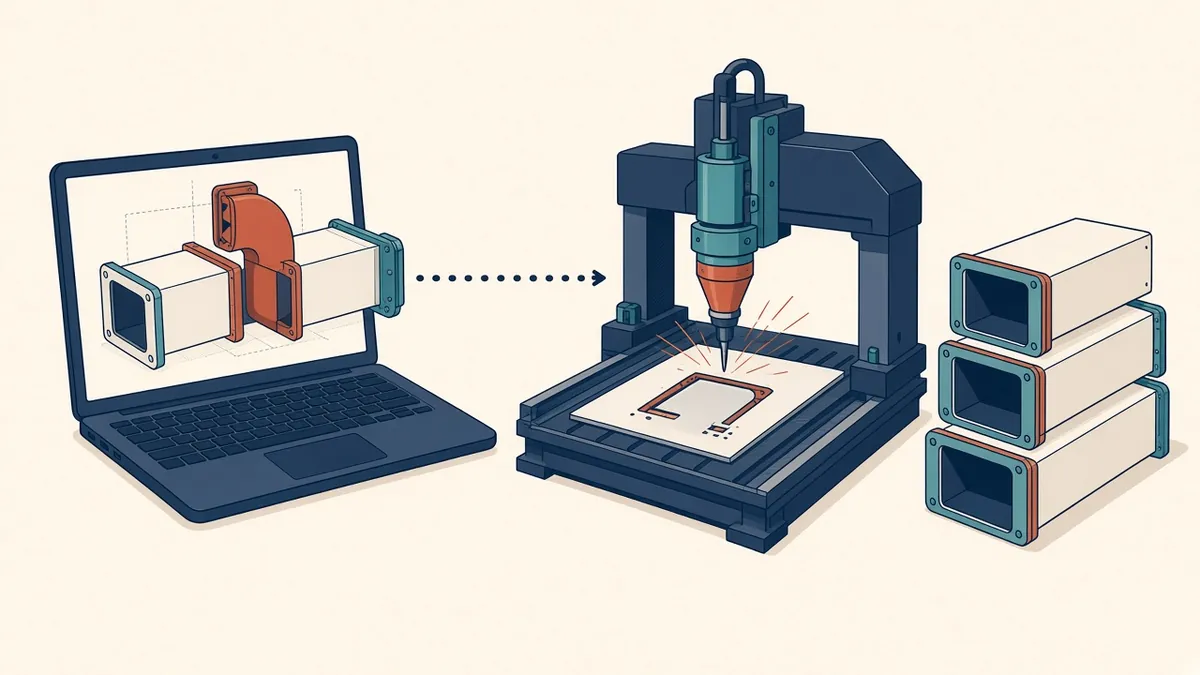
When a coordinated model drives fabrication directly, model accuracy stops being a nice-to-have.
On many projects, coordinated MEP models are used directly to produce fabrication information. Ductwork, pipework and containment can be fabricated from model data, reducing site measurement and cutting. This depends on models being accurate, detailed and fully coordinated.
Fabrication-level models
Fabrication models include details such as:
- Exact sizes and lengths
- Fittings, joints and connections
- Supports and hangers
- Insulation
- Manufacturer-specific components
Tools such as Revit fabrication parts, linked to fabrication databases, support this level of modelling.
Spool drawings
Pipework is often divided into spools, which are sections fabricated off site. Spool drawings show each section with dimensions, fittings and labels. Similar approaches are used for ductwork.
Setting-out
Model data can be used to set out hangers, sleeves and inserts on site, using total stations or other layout tools. This helps install supports in the right positions.
Coordination first
Fabrication should only start when the area is coordinated and signed off. Fabricating before coordination is complete risks producing parts that don't fit.
Tolerances
Fabricated parts need to fit the building as built. Check structure and slabs, ideally with surveys, before fabricating.
Change control
After fabrication starts, changes are costly. A clear change process, with re-coordination and approvals, protects the programme.
Labelling and logistics
Fabricated parts are labelled to match installation drawings. Deliveries are planned to match installation sequences.
Benefits
- Less site cutting and waste
- Better quality from controlled workshop conditions
- Faster installation
- Improved safety
Challenges
- Detailed models needed earlier
- Coordination must be finalised before fabrication
- Interfaces between trades need careful management
The Architect's role
Architects support fabrication by fixing design decisions in time, confirming ceiling and finish requirements and reviewing coordination for design intent. Late Architectural changes can affect fabricated items.
Record models
Fabrication models can feed into as-built records, especially when installation follows the model closely.
Agree model ownership
As models move from design to fabrication, ownership may pass to subcontractors. Agree who owns and updates the model at each stage, and how changes from the design team are communicated.
Check interfaces
Where fabricated services meet site-built work, such as connections to equipment or other trades, check interfaces in the model before fabrication.
- 01Fabrication-level models
- 02Spool drawings
- 03Setting-out
- 04Coordination first
- 05Tolerances
- 06Change control
Keep fabrication records
Using coordinated models for fabrication brings precision to site installation, but only when coordination is truly complete.
If your team needs extra production capacity for work like this, take a look at our Architectural production services, or tell us about your project.
Related articles
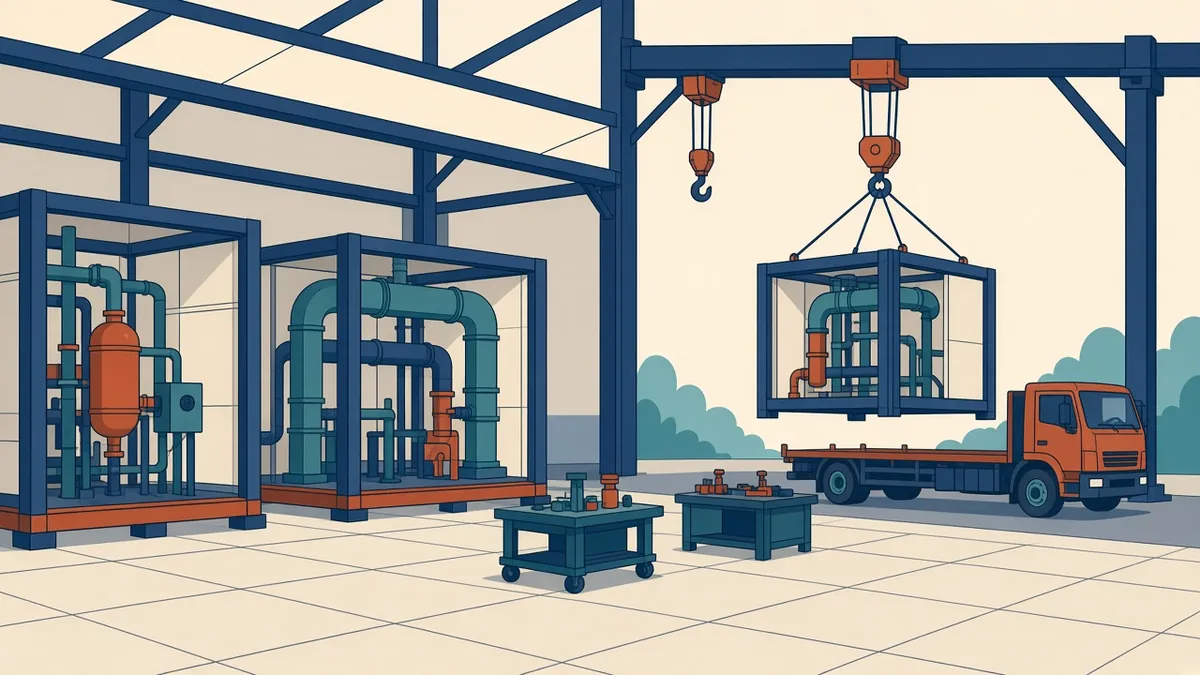
Prefabricated MEP Modules and Coordination
Corridor racks, riser modules and skids, and what they need from design.
Read more →
MEP Coordination Sign-Off Before Construction
Confirming coordination is complete before services go in.
Read more →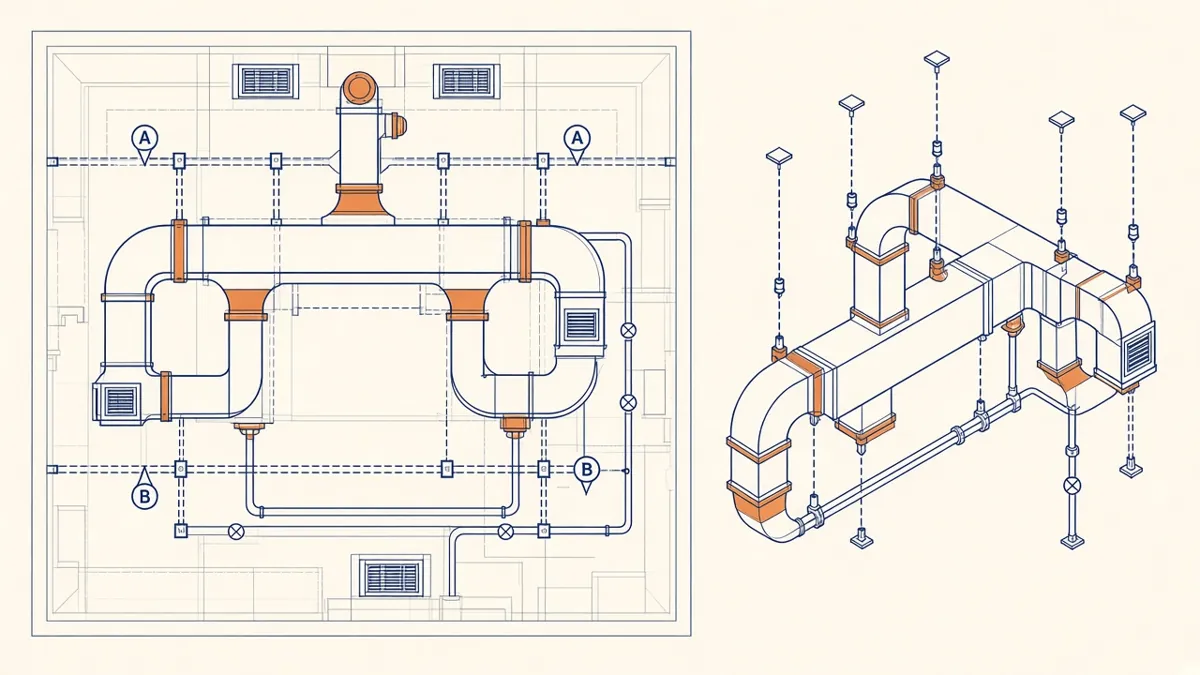
MEP Shop Drawings: What Architects Should Check
How shop drawings differ from design drawings, and what to look for in review.
Read more →