QA and QC Levels in Outsourced Production
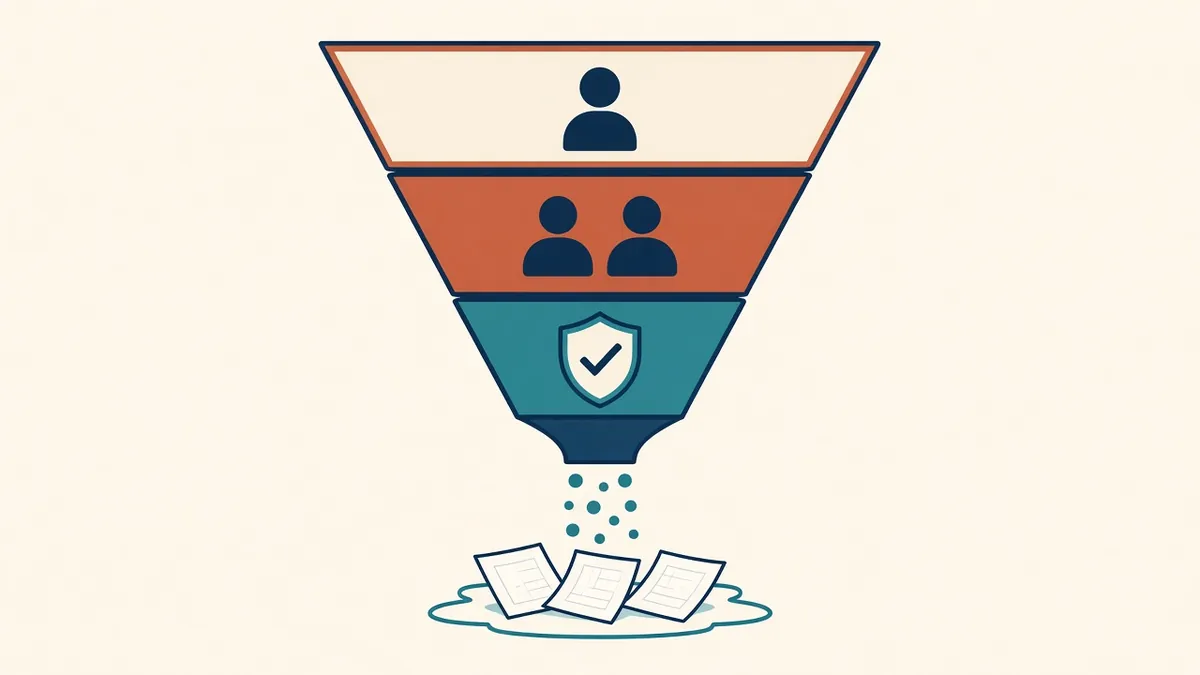
"Has it been checked?" means different things to different people. QA and QC levels make that clear.
Quality in outsourced production comes from processes as well as checking. Quality assurance (QA) is about the processes that prevent errors. Quality control (QC) is about checking work to find errors. Both matter, and they work best in layers.
Quality assurance
QA includes:
- Clear briefs and standards
- Templates and libraries
- Training and onboarding
- Defined workflows
- Checklists
Good QA reduces the number of errors in the first place.
Quality control
QC is the checking of work against requirements. In outsourced production, it often happens at several levels.
- Issue drawings
- Mark up comments
- Revise the set
- Back-check every comment
- Close out and log
Level 1: self-check
The person who produced the work checks it against the brief and checklist before passing it on. Self-checks catch obvious errors, such as missing tags or wrong title block information.
Level 2: peer or team lead check
Another team member or the team lead reviews the work. A fresh pair of eyes catches issues the author missed, such as inconsistent dimensions or standards issues.
Level 3: in-house review
The practice reviews the work before it's issued. This review focuses on design intent, coordination and compliance, as well as overall quality. The practice remains responsible for issued drawings.
Matching checks to risk
Not every task needs the same level of checking. Higher-risk work, such as construction documents for complex buildings, needs more rigorous checking than simple redrafting. Agree the level for each type of work.
Recording checks
Records show what was checked and by whom. They might include signed checklists, review comments or status in a tracker. Records help with accountability and learning.
Learning from errors
When errors reach the in-house review or beyond, look at why. Was the brief unclear? Was a standard missing? Did a check level miss it? Fixing the cause improves QA.
Avoid relying on the final check
If the in-house review catches most errors, the earlier levels aren't working. The aim is for most issues to be caught early, so the final review focuses on design and coordination.
Measuring quality
Agree definitions
Teams sometimes use QA and QC interchangeably. Agree what each check involves, so expectations are clear.
- 01Quality assurance
- 02Quality control
- 03Level 1: self-check
- 04Level 2: peer or team lead check
- 05Level 3: in-house review
- 06Matching checks to risk
Time for checks
Checks need time in the programme. Include self-check, peer check and in-house review time when setting deadlines.
Layered QA and QC processes build quality into outsourced production rather than relying on a final check to catch everything.
If your team needs extra production capacity for work like this, take a look at our Architectural production services, or tell us about your project.
Related articles
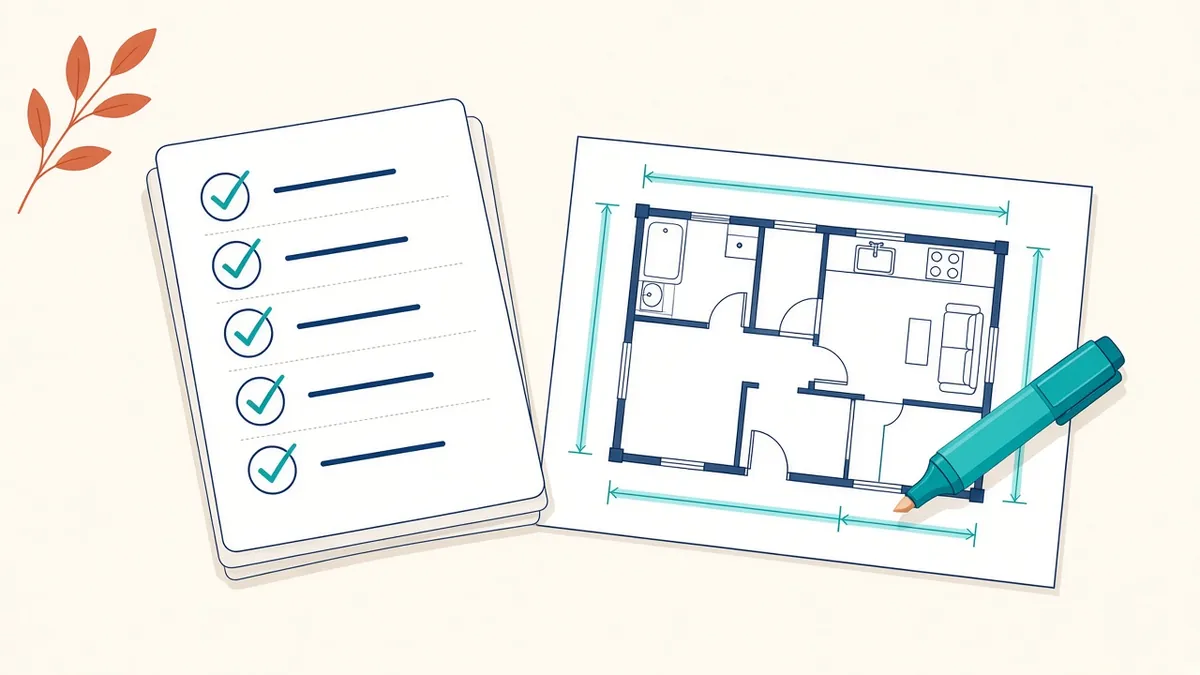
Drawing Checklists for Outsourced Work
Shared checklists that both teams use before drawings are issued.
Read more →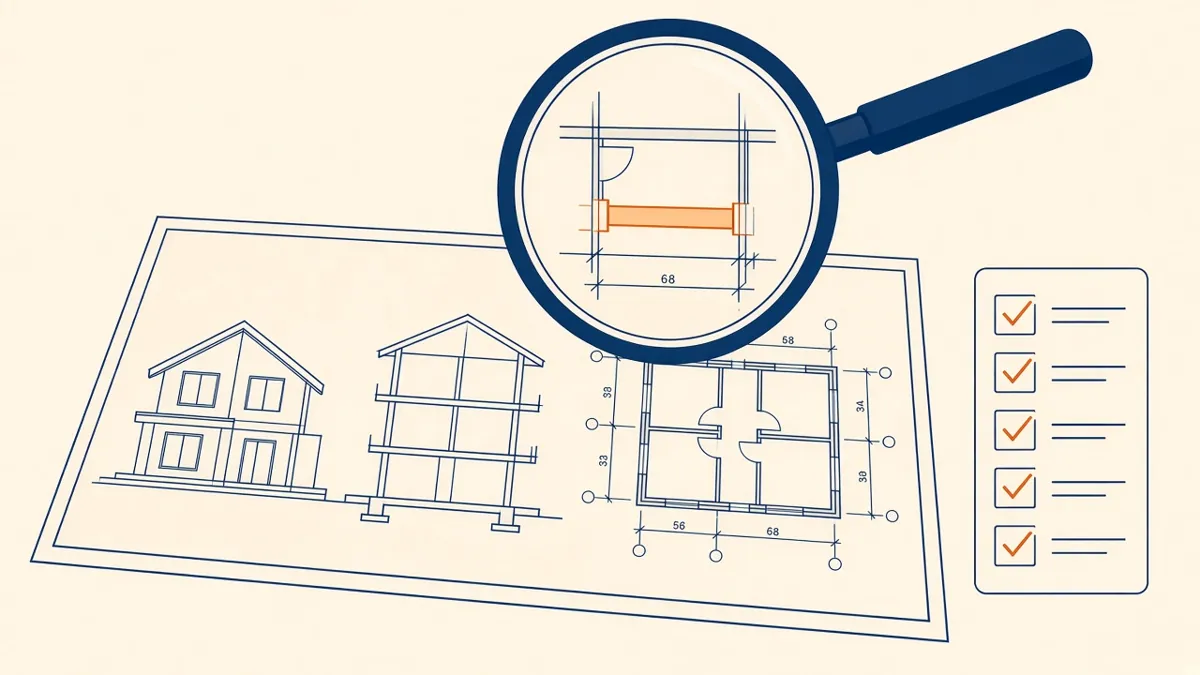
Quality Control for Outsourced Architectural Drawings
Checklists and review steps that catch errors before drawings reach your desk.
Read more →
Measuring Outsourcing Performance
Simple measures that show whether a partnership is working.
Read more →