
Building Safety Act Gateways Explained
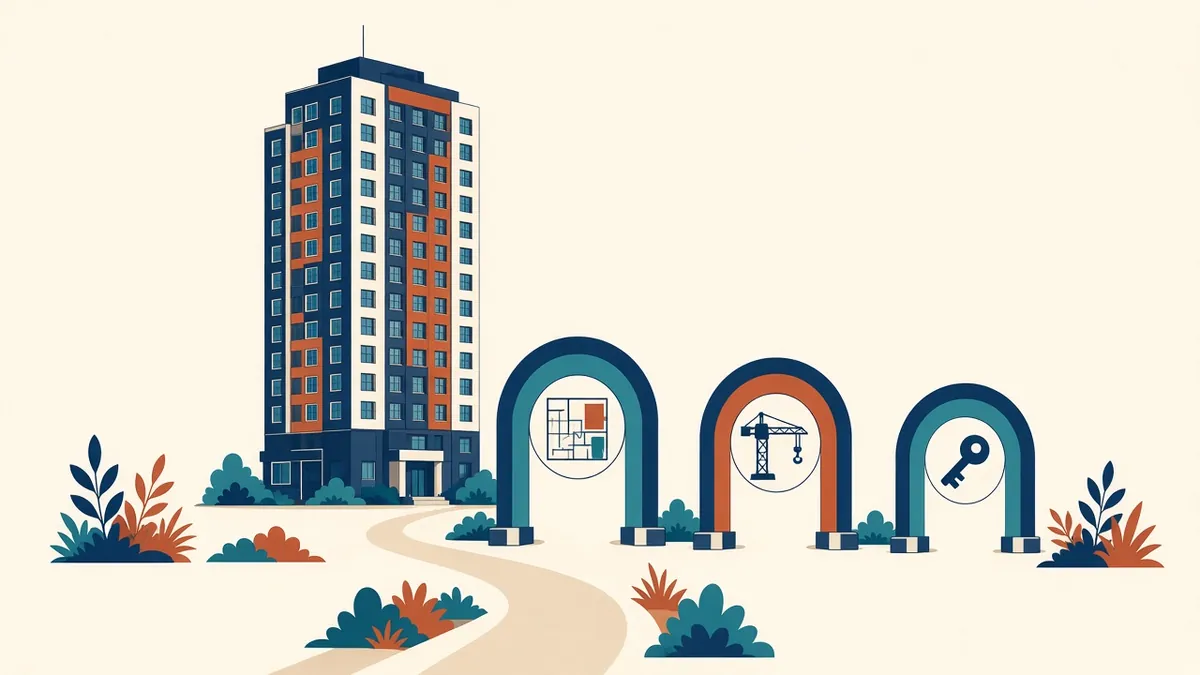
The Building Safety Act changed how higher-risk buildings in England move through design and construction. Gateways are a big part of that.
The Building Safety Act 2022 introduced major changes to how buildings in England are designed, built and managed, especially higher-risk buildings. It created the Building Safety Regulator, within the Health and Safety Executive, and introduced a gateway process for higher-risk buildings.
Higher-risk buildings
For the design and construction regime, higher-risk buildings are generally buildings at least 18 metres in height or with at least 7 storeys, containing at least two residential units, along with certain hospitals and care homes. The definitions have specific rules, so check the regulations for each project.
The three gateways
- Gateway 1: at the planning stage, relevant applications include a fire statement, and the Building Safety Regulator is consulted on fire safety matters
- Gateway 2: before construction starts, a building control approval application is made to the Building Safety Regulator, and work can't start until it's approved
- Gateway 3: at completion, a completion certificate application is made to the regulator before the building can be occupied
What Gateway 2 involves
Gateway 2 applications include detailed information, such as drawings, a fire and emergency file, a construction control plan, a change control plan and competence declarations. The regulator assesses compliance with Building Regulations before construction. Applications need to be thorough, as incomplete applications can be rejected.
Change control
After Gateway 2 approval, changes must follow a controlled process. Some changes need the regulator's approval before they're built. This makes design freeze and change management more important than before.
Dutyholders
The Act and related regulations introduced dutyholder roles for building work, including the principal designer and principal contractor for Building Regulations purposes. These apply to building work generally, not just higher-risk buildings. Dutyholders must have the right competence and plan, manage and monitor compliance.
The golden thread
What it means for design teams
- More complete design information before construction
- Clear records of design decisions
- Formal change control
- Clear competence and responsibility
- Better structured digital information
Competence
Individuals and organisations must have the skills, knowledge, experience and behaviours needed for their roles. This applies across all projects under the Building Regulations dutyholder regime.
- 01Higher-risk buildings
- 02The three gateways
- 03What Gateway 2 involves
- 04Change control
- 05Dutyholders
- 06The golden thread
Keep up to date
Regulations and guidance under the Act have been changing as the regime beds in. Check current guidance from the regulator.
The Building Safety Act raises expectations for information quality and accountability. Design teams that adapt their processes can help clients through the gateways more smoothly.
If your team needs extra production capacity for work like this, take a look at our Architectural production services, or tell us about your project.
Related articles
Approved Document B Fire Safety: A Guide for Drawings
The fire safety guidance behind most building control submissions in England.
Read more →
As-Built and Record Drawings: What's the Difference?
Who prepares them, what they should show and how they're handed over.
Read more →
Drawings for UK Building Regulations Approval
What building control needs to see, and how the Approved Documents shape the drawings.
Read more →