
Common Myths About Architectural Outsourcing

Outsourcing attracts a lot of assumptions. Some are outdated, some are half true, and a few are worth taking seriously.
Outsourcing Architectural production is common, but misconceptions persist. Some put practices off unnecessarily, while others lead to unrealistic expectations. Here are some common myths and a more balanced view.
Myth: quality will always be lower
Quality depends on the partner, the brief, the standards shared and the review process. Many outsourced teams produce high-quality work. Quality problems usually come from unclear briefs, missing information or poor feedback, which affect in-house work too.
Myth: outsourcing means losing control
The practice sets the scope, standards and review process. Control comes from clear processes, regular communication and good review. Practices remain responsible for design decisions and the drawings they issue.
Myth: it's only for large practices
Small practices often benefit from outsourcing because it gives them flexible capacity without hiring. The key is starting with well-defined tasks and building processes that suit the practice's size.
Myth: no management is needed
Outsourced work needs briefing, coordination and review. The effort reduces over time as the partner learns your standards, but it never disappears.
Myth: the partner will handle design decisions
Production partners produce drawings and models based on the design team's decisions. Design, code compliance and client decisions remain with the practice. Partners may raise questions or suggestions, but they shouldn't be relied on for design responsibility.
Myth: it's always faster
Outsourcing can increase capacity, but tasks still take time to brief, produce and review. Speed depends on the quality of information and the review process.
Myth: clients will always object
Myth: data will always be at risk
Data security depends on agreements, systems and practices. Reputable partners use confidentiality agreements, controlled access and secure file sharing. Check their arrangements and agree requirements.
Myth: one bad experience means outsourcing doesn't work
A poor result may reflect the partner, the brief or the process. Reviewing what went wrong often shows how to improve. Trying a different approach or partner may give a different result.
A balanced view
Outsourcing is a tool. It works well when the scope is clear, standards are shared and communication is good. It works poorly when these are missing.
- 01Myth: quality will always be lower
- 02Myth: outsourcing means losing control
- 03Myth: it's only for large practices
- 04Myth: no management is needed
- 05Myth: the partner will handle design decisions
- 06Myth: it's always faster
Ask other practices
Talking with practices that already outsource gives a realistic view of what works and what doesn't.
Understanding the realities helps practices make informed decisions and set realistic expectations.
If your team needs extra production capacity for work like this, take a look at our Architectural production services, or tell us about your project.
Related articles
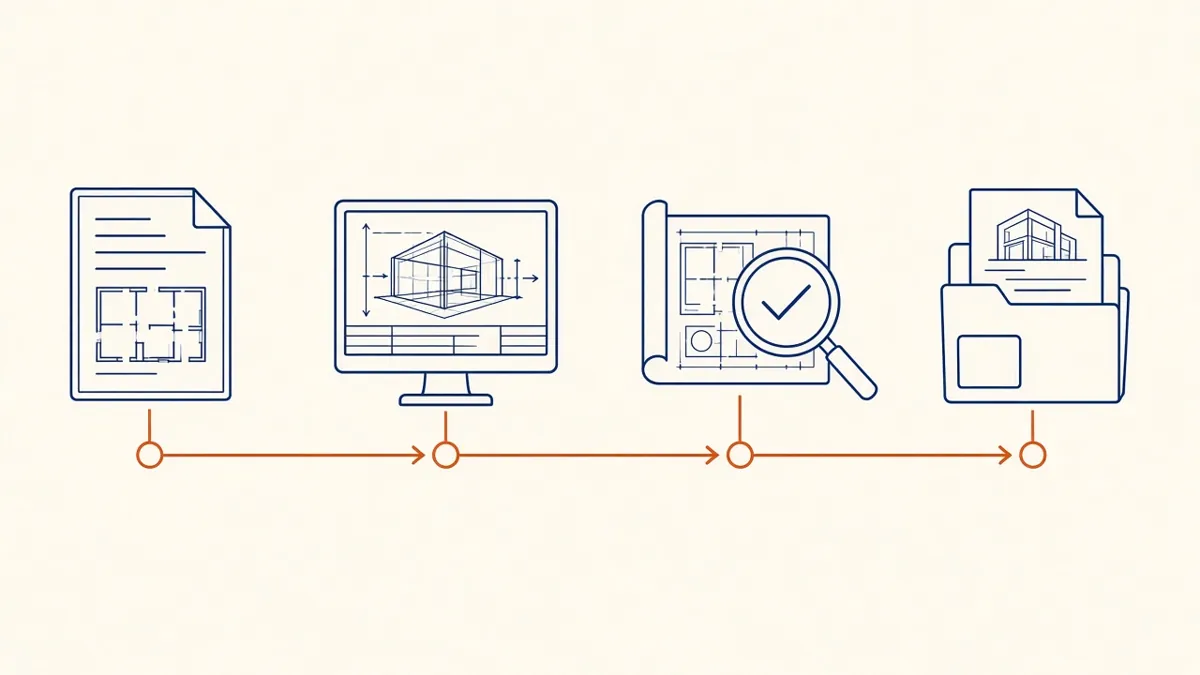
How Architectural Production Outsourcing Works
What's usually outsourced, how engagements start, and where responsibility sits.
Read more →
Data Security and NDAs in Architectural Outsourcing
Confidentiality agreements, access control and secure file sharing.
Read more →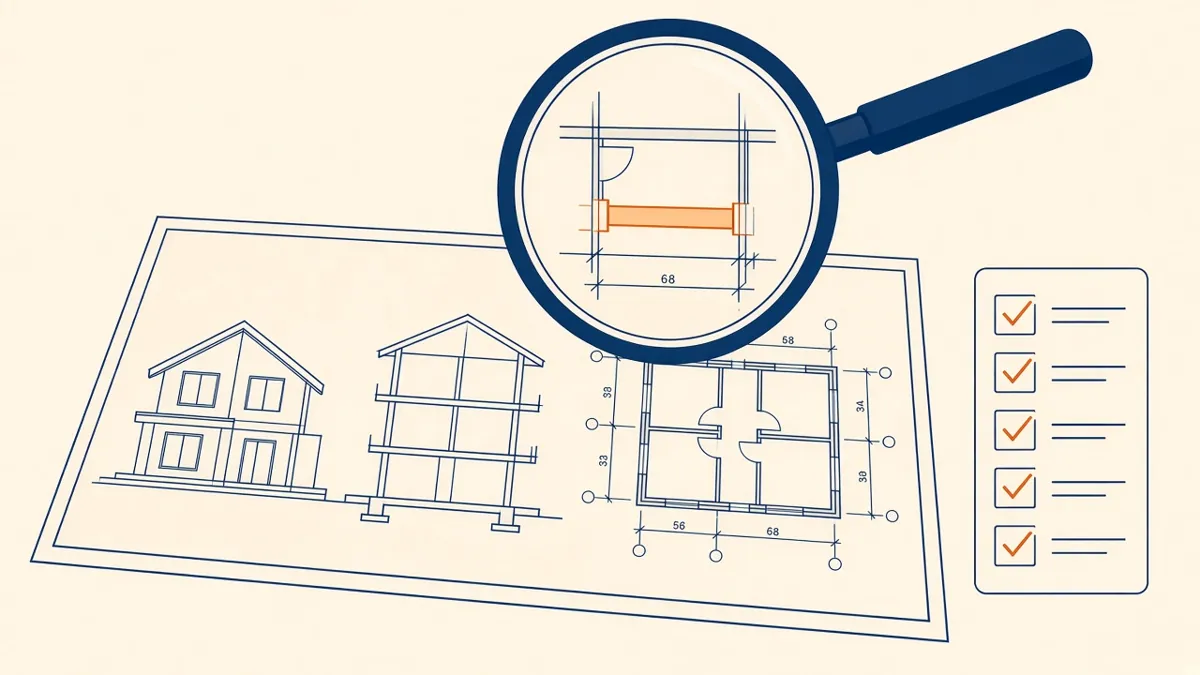
Quality Control for Outsourced Architectural Drawings
Checklists and review steps that catch errors before drawings reach your desk.
Read more →