
Managing Scope Changes in Outsourced Work
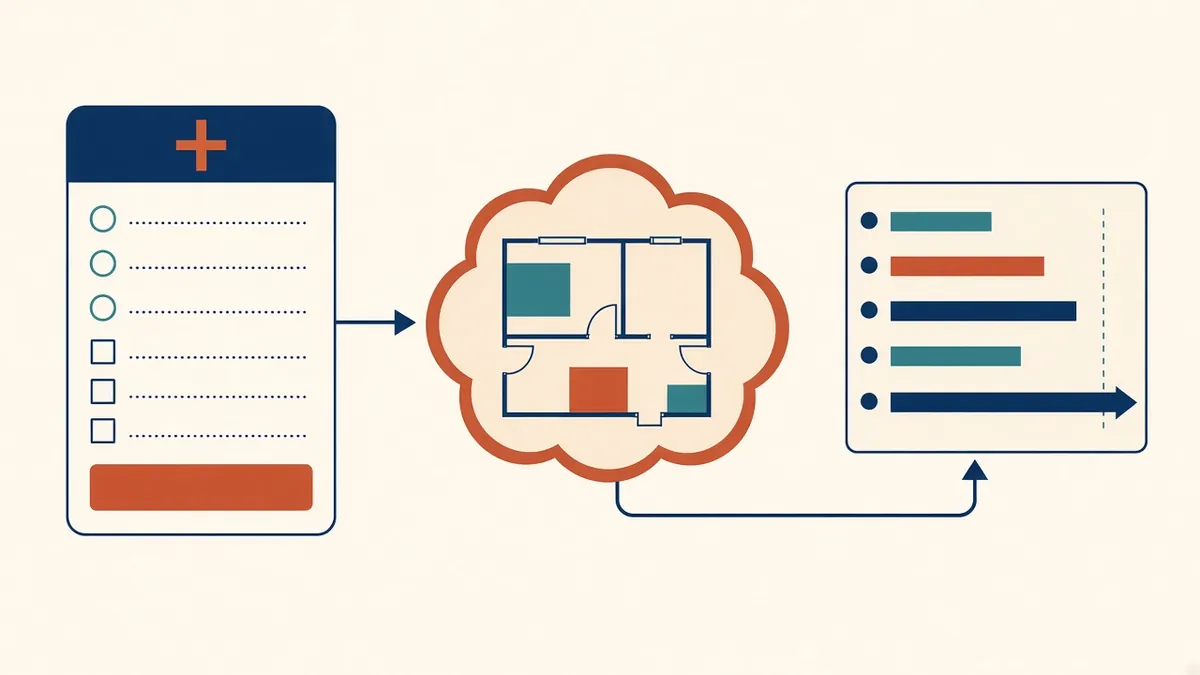
Scope always moves a little. Problems start when nobody writes down that it has.
Design changes are part of Architectural projects. When work is outsourced, changes need managing carefully, because the production team may already be working on the previous version. Clear change processes avoid wasted effort and disagreements.
Why scope changes cause problems
- Work may be based on outdated information
- Changes may affect deadlines
- Verbal changes can be forgotten or misunderstood
- Responsibility for rework may be unclear
Define the original scope clearly
Changes are easier to manage when the original scope is clear. A written brief with deliverables and inputs gives a baseline.
Use a change request process
When scope changes:
- Describe the change in writing
- Provide updated inputs
- Ask the partner to assess the impact on time and effort
- Agree how to proceed
- Update the brief and tracker
A simple change log records each change, its date and its effect.
Communicate changes promptly
The sooner the team knows about a change, the less work is wasted. If a design decision is pending, tell the team which areas may change so they can work on others first.
Version control
Make sure the team always works from the latest inputs. Use clear file names, dates and revision codes, and archive superseded files.
Separate changes from corrections
Distinguish between:
- Corrections: fixing errors against the original brief
- Changes: new or different requirements
This distinction helps everyone understand responsibility and effort.
Plan for expected changes
On projects where changes are likely, such as early design stages, agree an approach in advance. A dedicated team model may handle frequent changes more easily than fixed packages.
Keep the tracker updated
A shared tracker showing tasks, changes and status helps both teams see the current picture.
Review the impact
If changes are frequent, review why. Sometimes the work is being outsourced before decisions are firm enough. Timing tasks better can reduce changes.
Close out changes
When a change is complete, check it, record it and update drawings or models as needed. This keeps the record accurate.
Agree authority for changes
Hold changes for natural break points
Where possible, group changes and issue them at agreed points, such as the start of a week, rather than sending a stream of small changes.
- 01Why scope changes cause problems
- 02Define the original scope clearly
- 03Use a change request process
- 04Communicate changes promptly
- 05Version control
- 06Separate changes from corrections
Communicate deadline impacts
If a change affects a deadline, agree a new date in writing.
Good change management protects deadlines, avoids disputes and keeps outsourced production aligned with the design.
If your team needs extra production capacity for work like this, take a look at our Architectural production services, or tell us about your project.
Related articles
How to Write a Brief for Outsourced Drawing Work
The brief that gets outsourced drawings right the first time.
Read more →
Dedicated Team vs Project-Based Outsourcing
Two common engagement models and how to pick between them.
Read more →
Version Control and File Management With Partners
Keeping everyone on the latest files, with a clear record of what changed.
Read more →