
Issuing Drawings for Tender or Bid

Tender drawings set the price. Anything unclear in them tends to come back later as a variation.
A tender or bid set is the basis for contractors' prices. If drawings are incomplete, inconsistent or unclear, contractors either add risk allowances or raise questions during tender. A careful issue process reduces both, and it gives everyone a clear record for later.
Terminology
In the UK and the UAE, the process is usually called tender. In the US, it's commonly called bidding, with the drawings forming part of the bid documents. The principles are the same.
Check completeness
Before issue, confirm:
- Every sheet in the index is present and current
- Consultant drawings are included at the same issue status
- Schedules are complete and match the drawings
- Specifications are coordinated with the drawings
- Items that are excluded, provisional or by others are clearly identified
Missing information at tender usually becomes a variation or change order later.
Mark the issue status
Title blocks should clearly show the issue purpose, such as "For Tender" or "Bid Set", and the date. Don't issue drawings marked as preliminary or for coordination unless that's intended.
Prepare a transmittal
A transmittal lists every drawing and document issued, with revision and date. It's the record of exactly what tenderers received. Keep it with the issued PDFs in a locked archive folder.
Handle questions during tender
Tenderers usually raise questions. Answer them through one route, often the client's representative or tender manager, so every tenderer receives the same information. Record each question and answer.
Addenda
- Be numbered and dated
- List every changed or added drawing and document
- Describe the changes clearly
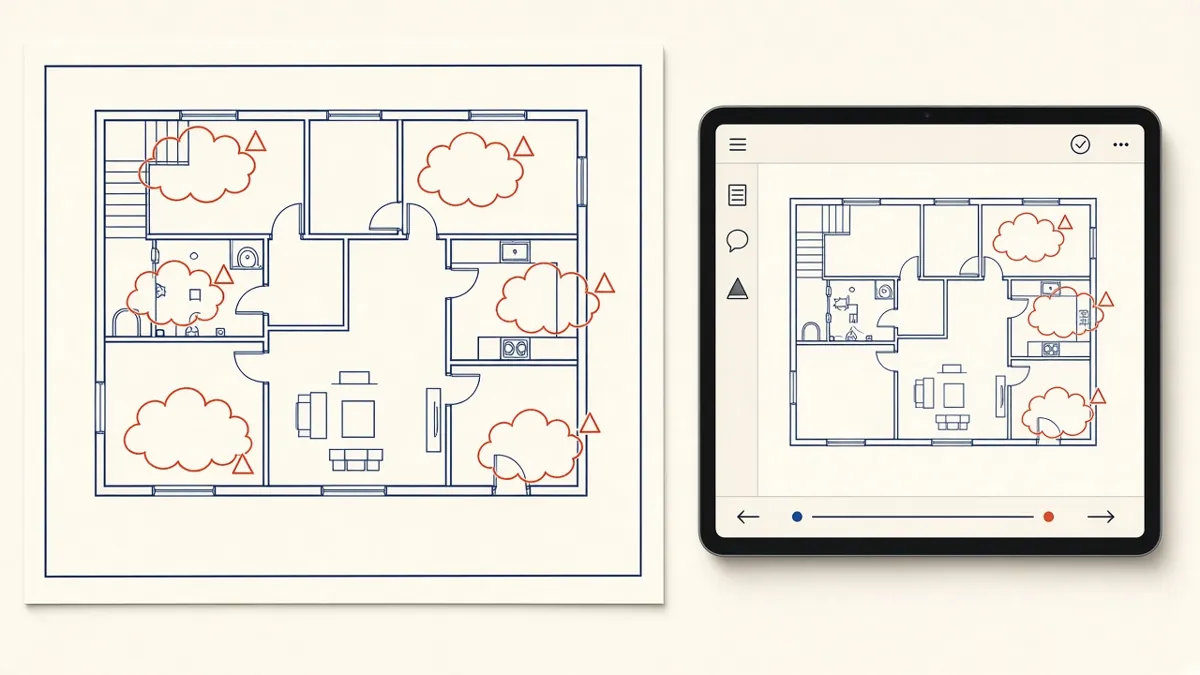
- Show changes on the drawings with clouds and revision marks
Addenda form part of the tender information, so treat them with the same care as the original issue.
After tender
Once a contractor is appointed, there's often a period of clarifications. Changes agreed at this stage should be captured in a conformed set or a clearly recorded revision, so construction starts from a single agreed set.
Keep the record
Archive the tender set, addenda, questions and answers together. If questions arise during construction about what was priced, this record is invaluable.
- 01Terminology
- 02Check completeness
- 03Mark the issue status
- 04Prepare a transmittal
- 05Handle questions during tender
- 06Addenda
Give tenderers a clear package
Alongside drawings and specifications, a short tender drawing register and a note on file formats help tenderers find what they need. If models are shared, state whether they're for information only or form part of the contract documents. Clear status reduces disputes later about which information was relied on when pricing.
A well-prepared tender issue helps contractors price accurately, and it gives the project a solid foundation for the rest of construction.
If your team needs extra production capacity for work like this, take a look at our Architectural production services, or tell us about your project.
Related articles
Managing Redlines and Revisions in Construction Drawings
How to turn markups into clean revisions without losing comments or creating new errors.
Read more →
Cover Sheets and Drawing Indexes for Construction Sets
What a cover sheet should carry, and how to keep the sheet index honest.
Read more →
How Drawings and Specifications Work Together
What goes on drawings, what goes in specs and how to stop them contradicting each other.
Read more →