
How Architectural Production Outsourcing Works
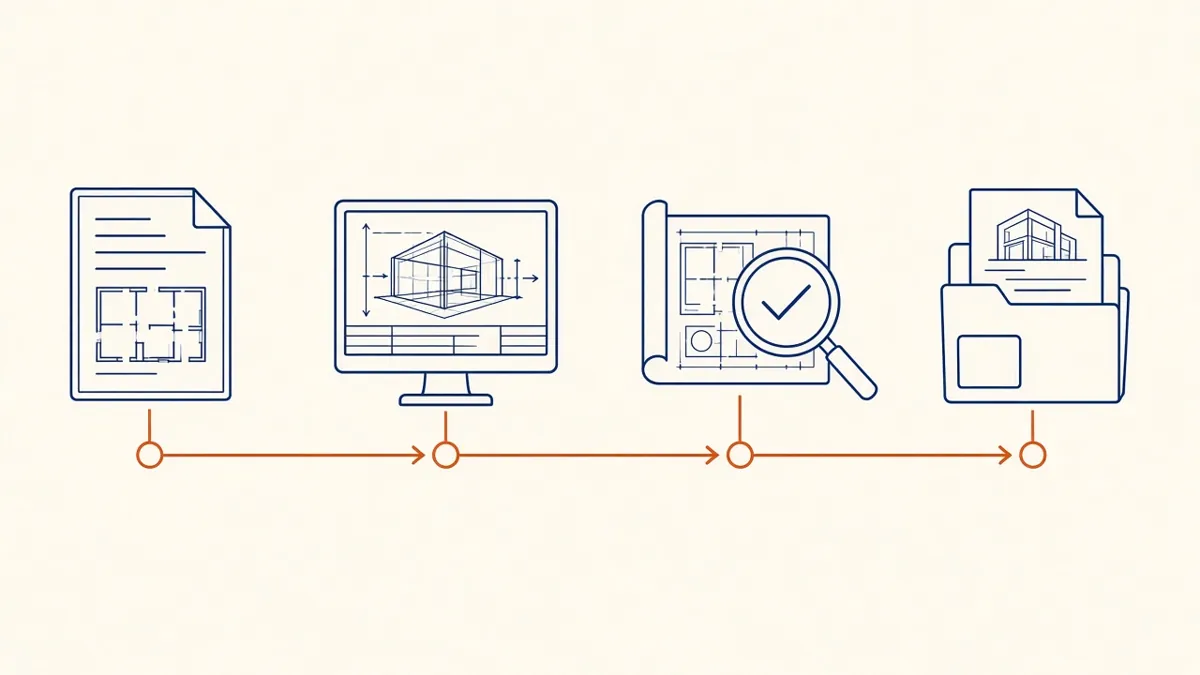
Outsourcing production can sound like handing your project to strangers. In practice, it's a structured working relationship.
Outsourcing Architectural production means working with an external team to produce drawings and models, while your own team keeps control of design and client relationships. Done well, it gives a practice extra capacity without hiring for every peak. Here's how it usually works.
What's typically outsourced
Production work that follows a clear design direction is the easiest to hand over:
- Construction documents and drawing sets
- Revit modelling from sketches, CAD or PDFs
- Design development drawings
- Detailing and wall sections
- Redline pickups and revisions
- Schedules, such as doors, windows and finishes
- CAD to BIM conversion
- Permit and authority drawing sets, under the Architect's direction
Design decisions, client meetings and sealing or signing drawings stay with the Architect of record.
Start with a small pilot
Most good engagements start with a small, real task, such as a few sheets or one round of redlines. It lets you test quality, communication and how well the team follows your standards, without committing to a large package.
Share your standards
The fastest way to get drawings that look like yours is to share:
- Your Revit or CAD templates and title blocks
- Sample drawing sets you're happy with
- Office standards for line weights, text, dimensions and annotation
- Typical details and family libraries
If a firm doesn't have written standards, a good example set does most of the job.
Brief clearly
Each task should come with:
- What needs to be produced, and to what stage
- Source information, such as sketches, models, markups and consultant drawings
- The deadline and any interim checkpoints
- Who answers questions
Clear briefs reduce rounds of revision more than anything else.
Work in review cycles
A typical cycle looks like this:
- Brief and source files are shared
- The production team raises questions early
- Work is produced and checked internally
- A draft is shared for your review
- Markups are picked up and the set is finalised
Agreeing realistic turnaround times for each step, and a regular check-in, keeps the work predictable.
Communication and time zones
Time zone differences can work in your favour. Work can move forward while your office is closed, as long as questions are raised and answered at agreed times. A shared issue log and a short regular update help avoid surprises.
Confidentiality and data
Responsibility stays with you
Outsourcing doesn't transfer professional responsibility. The Architect of record still reviews the drawings, coordinates the design and signs or seals them where required. A good production partner supports that review with clear notes on assumptions and open questions.
- 01What's typically outsourced
- 02Start with a small pilot
- 03Share your standards
- 04Brief clearly
- 05Work in review cycles
- 06Communication and time zones
Signs it's working
- Fewer review comments with each round
- Drawings that match your standards without constant correction
- Questions raised before they become problems
- More time for your team to focus on design and clients
Outsourcing works best as a long-term working relationship rather than a one-off transaction. The more the production team understands how you work, the more useful it becomes.
If your team needs extra production capacity for work like this, take a look at our Architectural production services, or tell us about your project.
Related articles
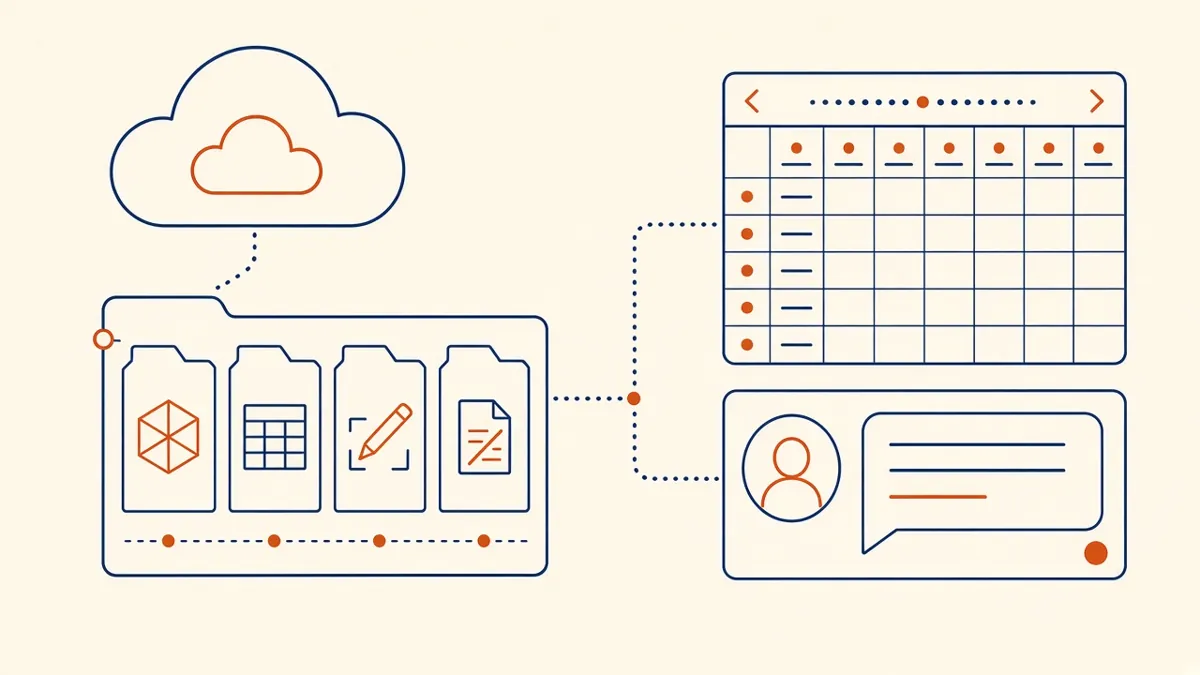
Outsourcing Workflow and File Exchange for Architecture Firms
Folder structures, version control and communication habits that keep remote production smooth.
Read more →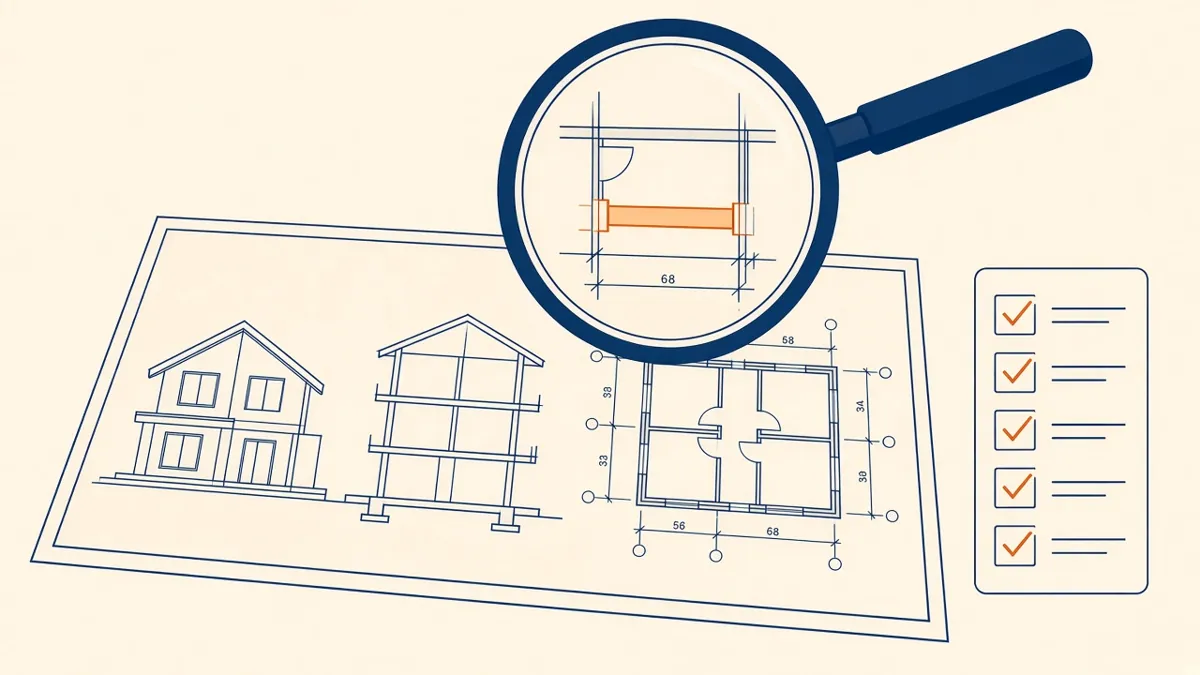
Quality Control for Outsourced Architectural Drawings
Checklists and review steps that catch errors before drawings reach your desk.
Read more →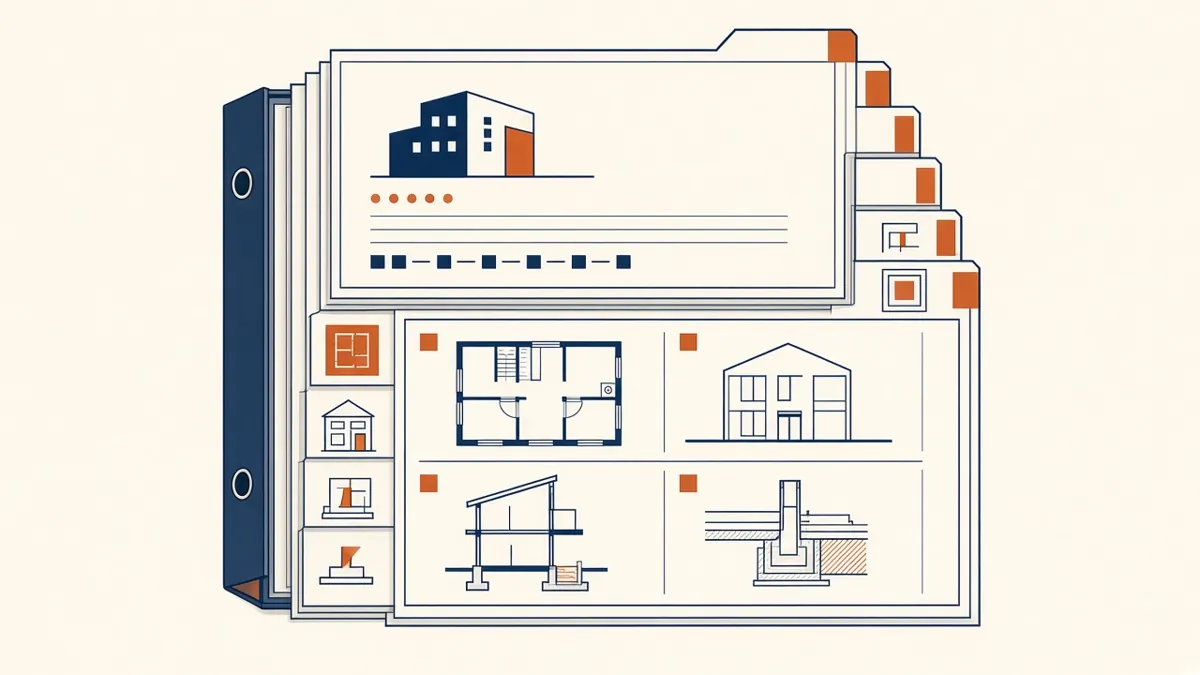
How to Structure a Construction Document Set
The order, content and logic of a well-built CD set, and why structure saves time on site.
Read more →