
How to Carry Out Precedent Studies
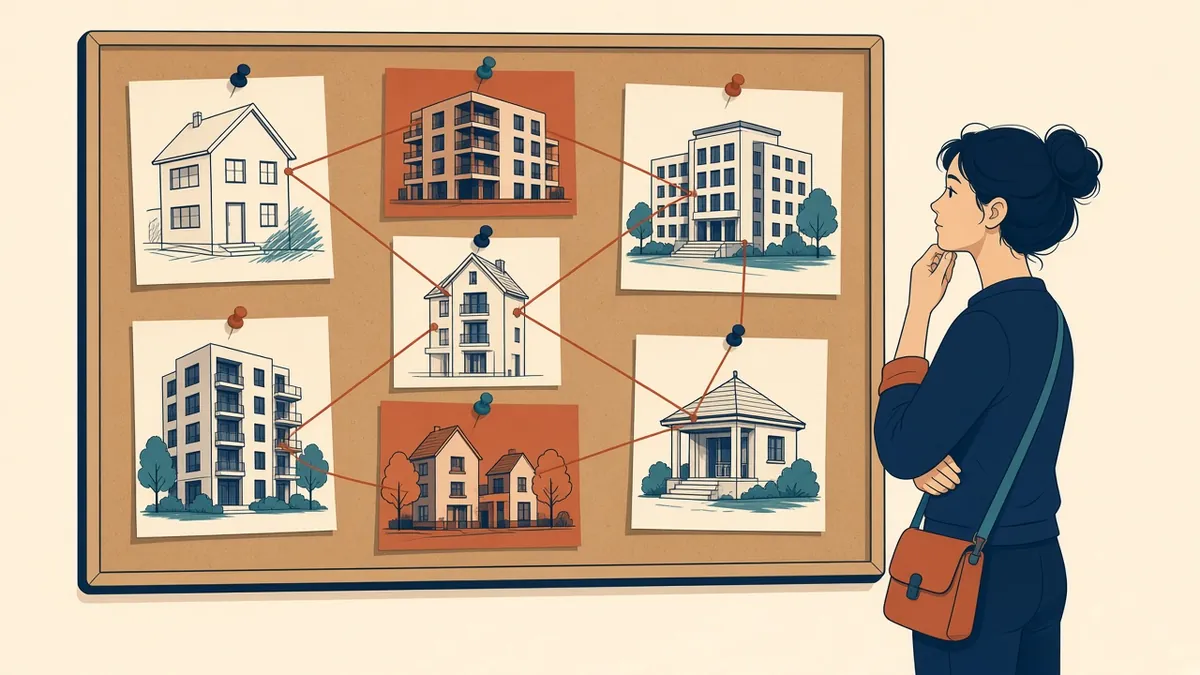
Looking at how others solved a similar problem is one of the fastest ways to sharpen your own design.
Precedent studies look at existing buildings to learn from them. They help Architects understand how others have solved similar problems, explain ideas to clients and test design approaches. A good precedent study is focused and analytical, not just a collection of images.
Define the purpose
- Planning layouts for a building type
- Responses to similar sites or climates
- Materials and construction
- Spatial qualities
- Sustainability strategies
A clear purpose helps choose relevant precedents.
Choose precedents
Look for buildings with similar:
- Use or building type
- Scale
- Site conditions
- Climate
- Budget level
Include a range, such as both recent and older examples.
Gather information
Sources include:
- Published plans, sections and articles
- Books and journals
- Site visits
- Talking with building users or designers
Check that information is reliable and properly credited.
Analyse, don't just collect
Analysis might include:
- Redrawing plans and sections at a consistent scale
- Diagramming circulation, structure or light
- Comparing areas and proportions
- Noting materials and details
- Considering how the building performs in use
Compare
Comparing precedents side by side reveals patterns and differences, helping identify approaches that suit the project.
Draw lessons
Summarise what each precedent teaches and how it might apply. Note what doesn't apply, too.
Presenting precedents
Clear diagrams and short notes communicate lessons effectively to clients and teams.
Respect copyright
Use images and drawings with proper credit, and check permissions for publication.
Post-occupancy information
Where available, information about how buildings perform in use is especially valuable. Published post-occupancy studies can provide it.
Avoid copying
Precedents inform design; they don't replace it. Use lessons to develop original responses to the project.
Keep a library
Building an office library of precedent studies saves time on future projects.
Keep it focused
Three to five well-analysed precedents usually teach more than twenty images. Pick examples that answer the question you set at the start.
- 01Define the purpose
- 02Choose precedents
- 03Gather information
- 04Analyse, don't just collect
- 05Compare
- 06Draw lessons
Visit where you can
Visiting a precedent shows qualities that drawings miss, such as light, sound and how people use the spaces.
Thoughtful precedent studies bring knowledge from other projects into the design process.
If your team needs extra production capacity for work like this, take a look at our Architectural production services, or tell us about your project.
Related articles
Pre-Design Research for Architecture Projects
Site, zoning, code and precedent research that sets a project up well.
Read more →
Developing a Clear Client Brief
Turning client goals into a brief the design can be tested against.
Read more →
Site Analysis Basics for Architects
Context, climate, access and constraints, mapped before design.
Read more →