
Responding to RFIs with Clear Drawings
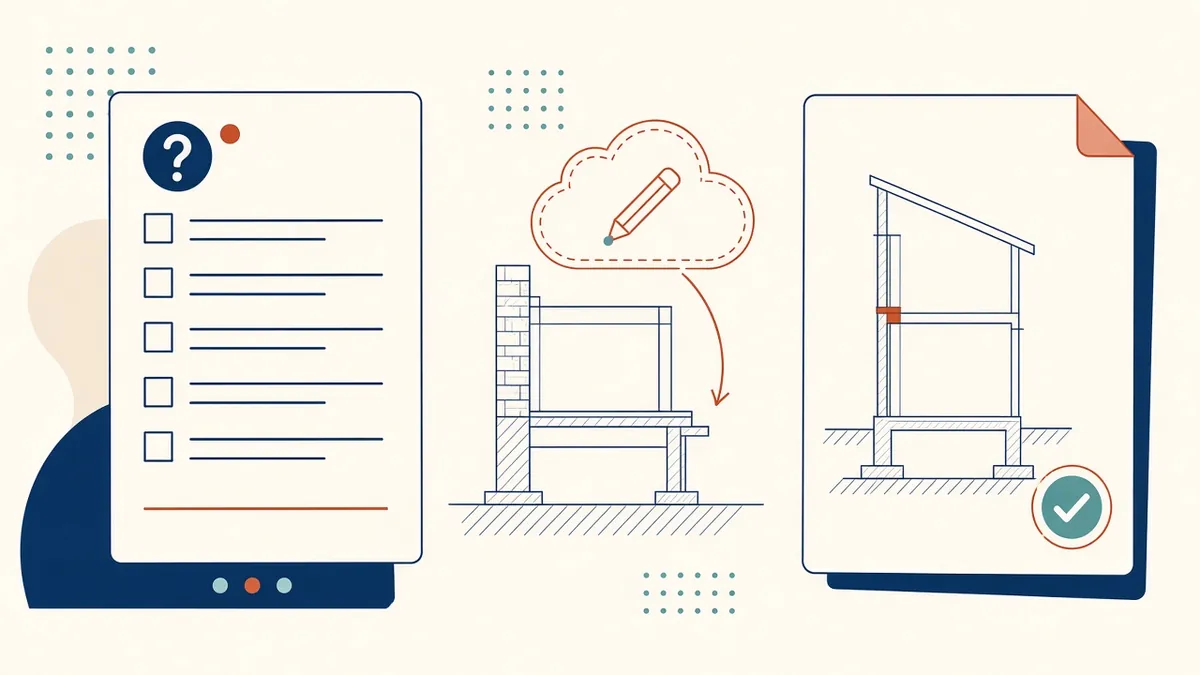
An RFI is a question from site, and the best answers are usually a clear sketch rather than a long paragraph.
Requests for information, or RFIs, are a normal part of construction. Contractors raise them when drawings are unclear, incomplete or conflict with site conditions. How quickly and clearly the design team answers can have a real effect on progress on site.
Understand the question
Read the RFI carefully and check the referenced drawings and specifications. Sometimes the answer is already in the documents, and the response simply points to it. If the question reveals a real gap or conflict, it needs a design answer.
Answer clearly
- Answers the specific question asked
- References drawings, details and specification sections
- Includes a sketch where words aren't enough
- Notes whether the response changes the contract, if that's for the contract administrator to decide
- Avoids introducing new design changes beyond what's needed
Keep wording precise. Vague responses lead to follow-up RFIs.
Sketches
Sketches, often called SKs or ASKs, are a fast way to answer graphic questions. They should:
- Be numbered and dated
- Reference the drawing or detail they relate to
- Be drawn to scale where dimensions matter
- Show only what's needed to answer the question
Update the drawings
If a response changes the design, the drawings should eventually be updated to match. Some teams update drawings with each response, others batch changes into periodic revisions. Either way, track which responses haven't been incorporated yet, so the set doesn't fall behind.
Track every RFI
Maintain a log with:
- RFI number, date received and topic
- Who's responsible for the answer
- Response date
- Whether drawings need updating, and when they were updated
The log helps spot patterns, such as many RFIs about one area, which may point to a wider coordination issue.
Coordinate with consultants
Many RFIs touch more than one discipline. Make sure structural and MEP consultants agree with responses that affect their work, and that their sketches align with yours.
Respect contract procedures
Contracts often set response times and routes for RFIs, and may distinguish between clarifications and instructions that change the work. Follow the procedures in the contract and let the contract administrator decide on cost or time implications.
- 01Understand the question
- 02Answer clearly
- 03Sketches
- 04Update the drawings
- 05Track every RFI
- 06Coordinate with consultants
Reduce RFIs before they start
Many RFIs come from the same causes: missing dimensions, unclear junctions and conflicts between disciplines. Reviewing past RFI logs at the start of CDs helps identify topics that need more attention on the next project. A careful pre-issue coordination check usually costs far less time than answering the questions it prevents.
Clear, timely RFI responses keep construction moving and protect the design intent. They also build trust with the contractor, which pays off throughout the project.
If your team needs extra production capacity for work like this, take a look at our Architectural production services, or tell us about your project.
Related articles
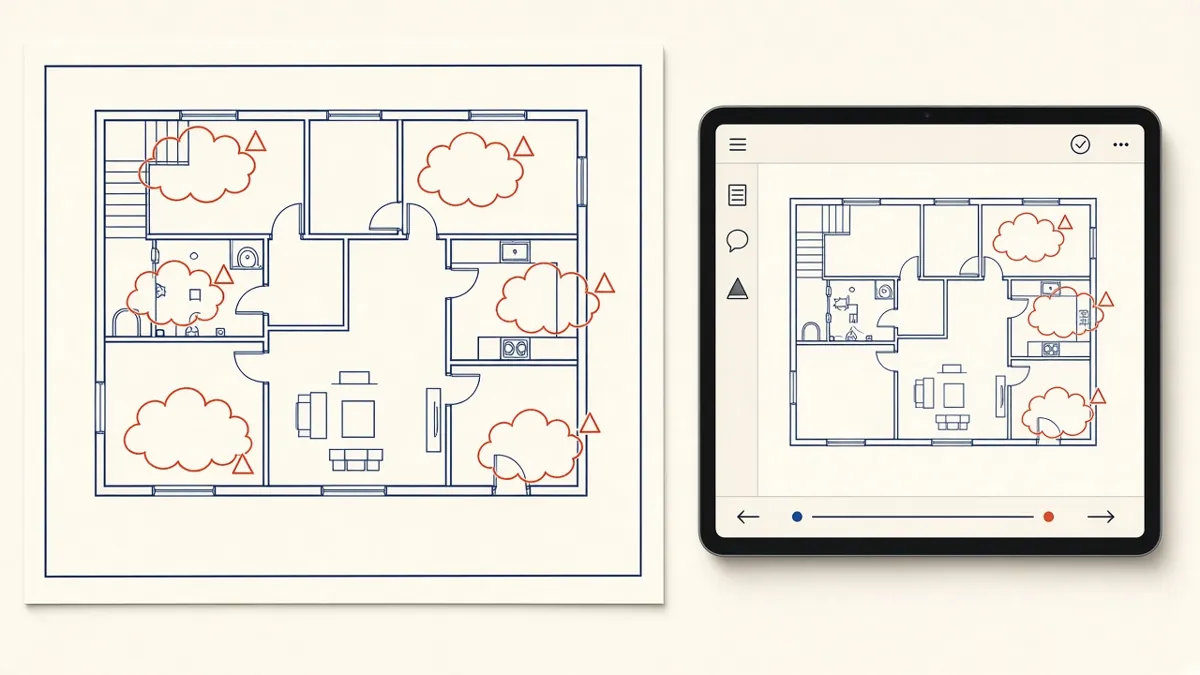
Managing Redlines and Revisions in Construction Drawings
How to turn markups into clean revisions without losing comments or creating new errors.
Read more →
Drawings During Construction Administration
Keeping drawings accurate and controlled once construction starts.
Read more →
As-Built and Record Drawings: What's the Difference?
Who prepares them, what they should show and how they're handed over.
Read more →