
Civil Defence Fire and Life Safety Approval in Dubai
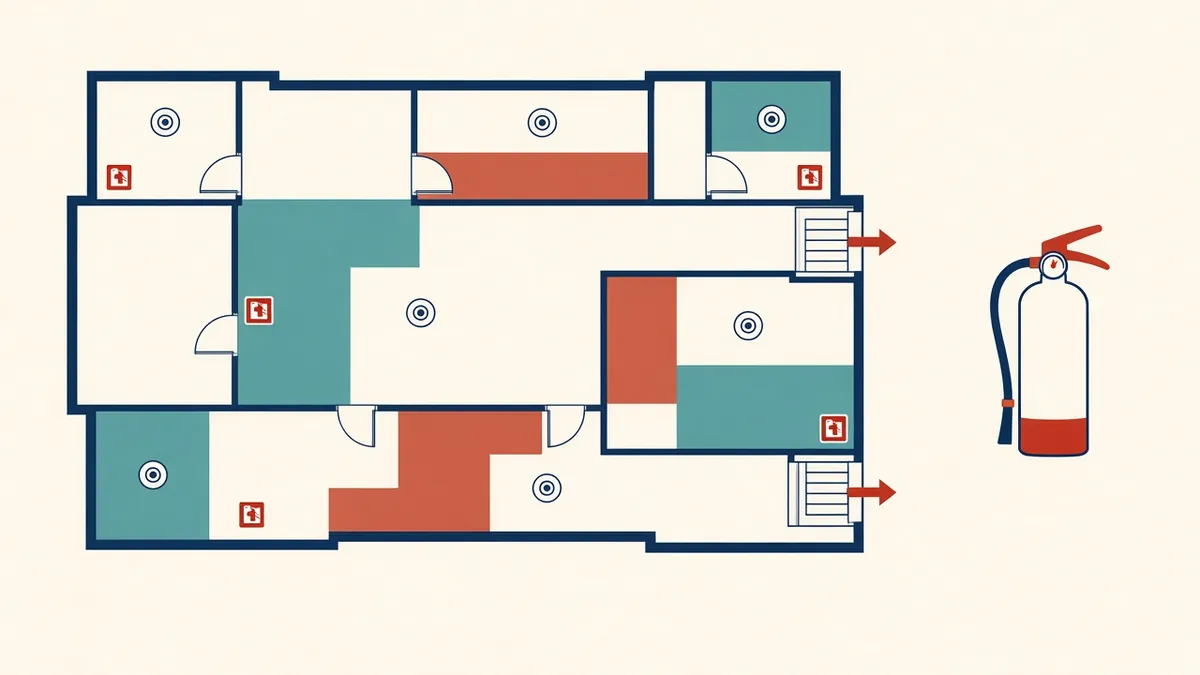
In Dubai, fire and life safety approval sits with Civil Defence, and it shapes the design more than many teams expect.
Fire and life safety approval is a key part of building permitting in Dubai. Dubai Civil Defence reviews fire and life safety aspects of building designs against the UAE Fire and Life Safety Code of Practice and its own requirements.
The UAE Fire and Life Safety Code
The UAE Fire and Life Safety Code of Practice sets requirements for fire safety in buildings across the UAE. It covers matters such as means of egress, fire protection systems, construction and materials. The code has been updated over time, including changes to facade material requirements, so check the current edition for each project.
What's reviewed
Civil defence review typically considers:
- Means of egress, exit widths and travel distances
- Fire compartmentation
- Fire alarm and detection systems
- Sprinkler and firefighting systems
- Smoke management
- Emergency lighting and signage
- Fire service access
- Facade materials and systems
Drawing requirements
Fire and life safety drawings are commonly prepared by approved fire consultants or MEP engineers, often with input from the Architect. They typically include:
- Fire safety plans showing exits, routes and compartments
- Fire alarm and firefighting system layouts
- Smoke control strategies
- Facade material information
- Life safety reports where needed
Architectural input
- Accurate plans with occupancy and areas
- Exit stair and corridor dimensions
- Rated walls and doors
- Facade specifications
- Access roads and fire service routes on site plans
Approved materials and systems
Civil defence may require materials and systems to be approved or certified. Specifications should reference approved products where required, and facade materials need particular care.
Coordination
Fire and life safety design affects layouts, structure, MEP and facade. Early coordination helps avoid late changes to stairs, shafts and compartments.
Inspections
Civil defence inspects installations during and after construction. Final civil defence approval is typically needed before occupancy.
Other emirates
Each emirate has its own civil defence authority. The UAE code applies widely, but procedures differ.
Keep up to date
Plan core and stair layouts early
Stair widths, numbers of exits, lobbies and shaft sizes are hard to change late in design. Agree them early with the fire consultant so the building's core works for both the design and civil defence requirements.
- 01The UAE Fire and Life Safety Code
- 02What's reviewed
- 03Drawing requirements
- 04Architectural input
- 05Approved materials and systems
- 06Coordination
Keep fire drawings coordinated
When Architectural layouts change, fire drawings need updating too. A quick check of exit routes and compartments after each design change helps avoid inconsistent submissions.
Fire and life safety approval is central to UAE projects. Clear, coordinated drawings and early engagement help approvals go smoothly.
If your team needs extra production capacity for work like this, take a look at our Architectural production services, or tell us about your project.
Related articles

The UAE Fire and Life Safety Code: An Overview
The UAE's national fire code, its main topics and design impacts.
Read more →
Dubai Building Permits: An Overview for Design Teams
Who issues permits in Dubai, and what drawings typically need to cover.
Read more →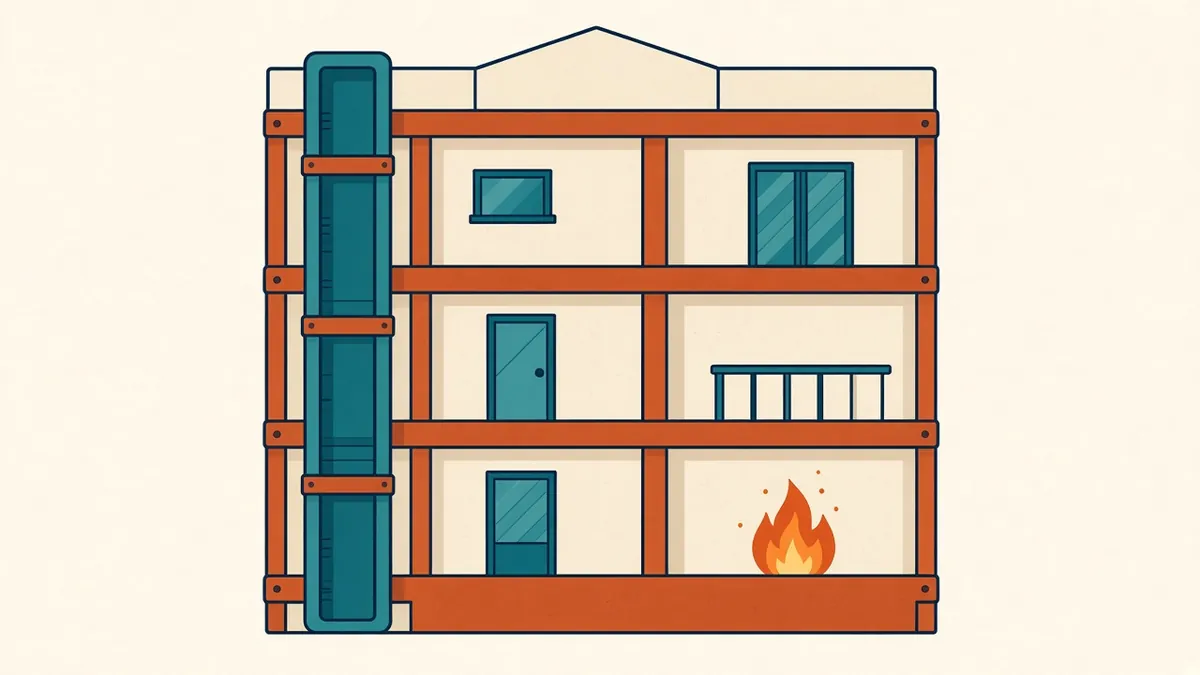
Fire Compartmentation and Separation Basics
Dividing buildings to limit fire spread, and showing it clearly on drawings.
Read more →