
NFPA 101 Life Safety Code: When It Applies
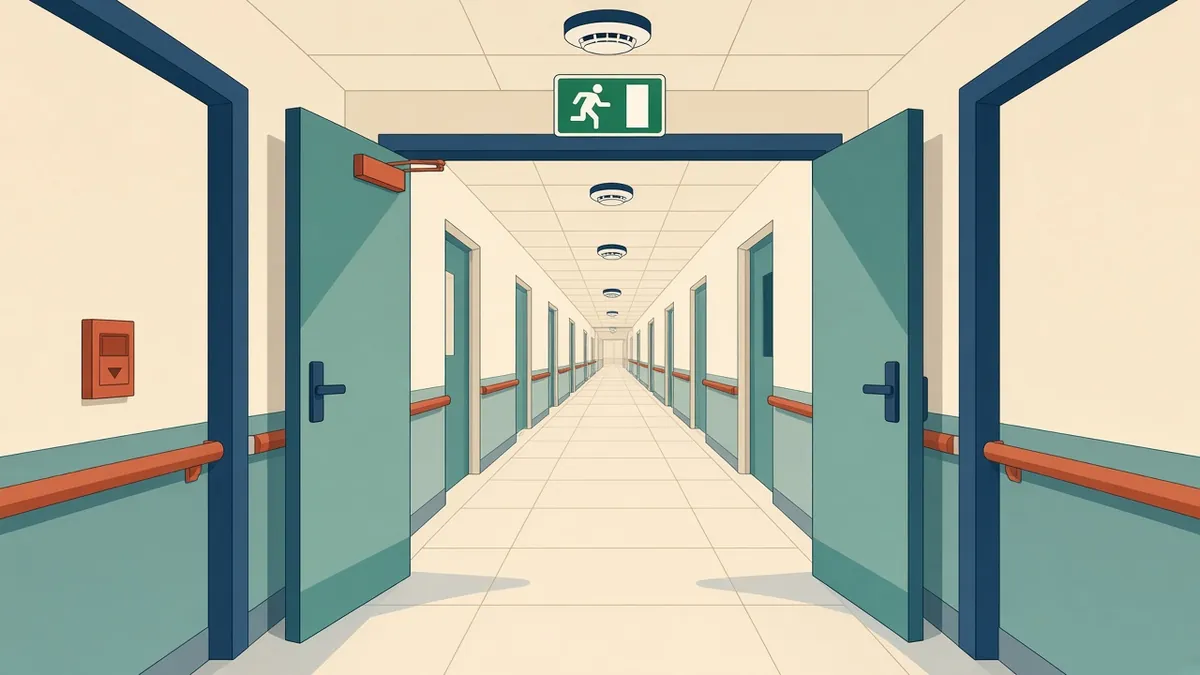
Some US projects have to satisfy NFPA 101 as well as the building code. Knowing when that applies avoids nasty surprises.
NFPA 101, known as the Life Safety Code, is published by the National Fire Protection Association. It focuses on protecting occupants from fire, smoke and similar emergencies. While the IBC is the main building code in most US jurisdictions, NFPA 101 applies in many situations, sometimes alongside it.
What NFPA 101 covers
- Means of egress
- Fire protection features, such as compartmentation and smoke barriers
- Building service and fire protection equipment
- Occupancy-specific requirements for new and existing buildings
- Operating features, such as fire drills, in some occupancies
It addresses both new construction and existing buildings, which sets it apart from codes focused mainly on new work.
When it applies
NFPA 101 may apply when:
- A state or local jurisdiction adopts it, often through the fire code or as a separate requirement
- A federal agency requires it, such as the Centers for Medicare and Medicaid Services for certain healthcare facilities
- Insurers or owners require it
Healthcare projects commonly need to comply with both the IBC, as adopted locally, and the edition of NFPA 101 referenced by federal requirements. These editions may differ from the latest published version.
Related NFPA documents
- NFPA 99: Health Care Facilities Code
- NFPA 13: installation of sprinkler systems
- NFPA 72: fire alarm and signalling
- NFPA 80: fire doors and other opening protectives
NFPA 101 references many of these standards.
Differences from the IBC
Both documents cover egress and fire protection, but they're organised differently and requirements can differ. Where both apply, the design must meet both. Healthcare occupancies, in particular, have detailed requirements for smoke compartments, corridors and suites.
Life safety drawings
Projects subject to NFPA 101 often require life safety plans showing:
- Smoke and fire compartments
- Rated barriers and doors
- Exit routes and travel distances
- Occupancy classifications
- Fire protection systems
Healthcare facilities often maintain life safety drawings for ongoing compliance surveys.
Existing buildings
NFPA 101 includes requirements for existing occupancies, so changes to existing facilities can trigger reviews of existing conditions.
Work with specialists
Healthcare and complex projects benefit from fire protection engineers or code consultants familiar with NFPA 101 and the relevant federal requirements.
Check the edition
- 01What NFPA 101 covers
- 02When it applies
- 03Related NFPA documents
- 04Differences from the IBC
- 05Life safety drawings
- 06Existing buildings
Plan for phased work
In occupied healthcare facilities, construction phasing must maintain life safety. Interim life safety measures and phasing plans are often required, so plan them with the facility and the authority.
Understanding when NFPA 101 applies helps US design teams avoid surprises, especially in healthcare and institutional projects.
If your team needs extra production capacity for work like this, take a look at our Architectural production services, or tell us about your project.
Related articles
Means of Egress Explained for Architects
Occupant loads, exits, travel distances and widths in plain terms.
Read more →
Preparing US Permit Drawings Under the IBC
What US plan reviewers expect to see, and how the IBC shapes a permit set.
Read more →
Fire Compartmentation and Separation Basics
Dividing buildings to limit fire spread, and showing it clearly on drawings.
Read more →