
Understanding EIRs and Client Information Requirements

Before you can deliver the right information, you need to know what the client actually asked for.
Clients increasingly specify what information they need from design teams, not just what drawings they expect. Under ISO 19650, this is set out in exchange information requirements, or EIRs. Understanding them helps teams deliver what clients actually want and avoid wasted effort.
The hierarchy of requirements
ISO 19650 describes several layers of requirements:
- Organisational information requirements: what the client organisation needs overall
- Asset information requirements: what's needed to operate and maintain assets
- Project information requirements: what's needed to deliver the project
- Exchange information requirements: what each appointed party must provide, and when
The EIR is the practical one for design teams, because it describes deliverables.
What an EIR might include
- Information deliverables at each stage
- Formats, such as native models, IFC, PDF or COBie
- Level of information need for elements
- Standards and naming conventions
- Classification systems, such as Uniclass
- Software or version requirements
- Information security requirements
- Acceptance criteria and checking procedures
- Handover information for facility management
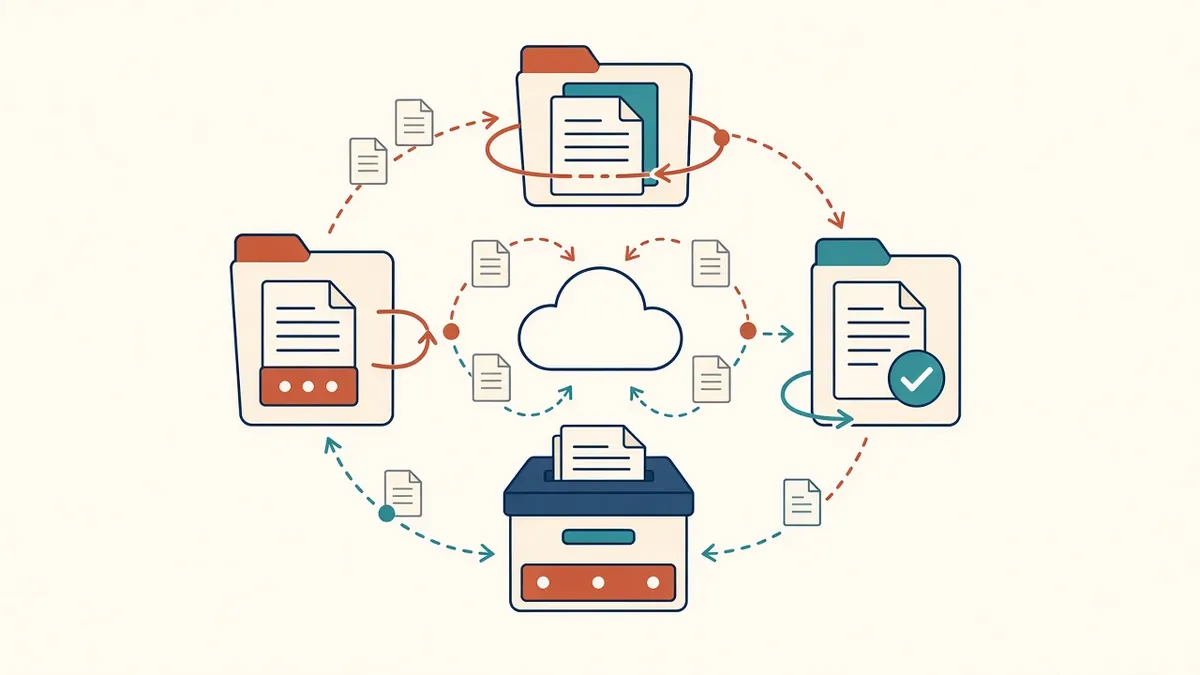
- Work in progressYour team develops information. It is not yet visible to others.
- SharedChecked information is shared with the wider team for coordination.
- PublishedAuthorised information for use, for example for construction.
- ArchivedA record of what was shared and published, kept for the project history.
Responding to an EIR
- Read it carefully and list each requirement
- Identify unclear or unrealistic requirements and raise questions early
- Map requirements to the BIM execution plan
- Agree responsibilities within the team
- Plan when and how each deliverable will be produced
Common issues
- Requirements copied from another project that don't fit
- Unclear levels of information need
- Handover data requirements that aren't defined until late
- Software requirements that don't match the team's tools
Raising these early is far better than discovering them at handover.
Outside ISO 19650
Not every client uses ISO 19650 terms. In the US, clients may issue BIM requirements, BIM guides or contract exhibits that serve a similar purpose. In the UAE, some government and developer clients publish their own BIM requirements. The principle is the same: understand what's required and plan to deliver it.
Fee and scope
Information requirements affect effort. Make sure scope and fees reflect the requirements, particularly for handover data and model detail. Discuss any additional requirements before committing to them.
Check deliverables against requirements
Before each information exchange, check deliverables against the EIR. A simple checklist makes this quick and builds client confidence.
Keep a requirements register
Clear understanding of client information requirements turns BIM from a vague expectation into a defined set of deliverables, which benefits everyone.
If your team needs extra production capacity for work like this, take a look at our Architectural production services, or tell us about your project.
Related articles
ISO 19650 Explained for Architecture Practices
The key ideas of ISO 19650 in plain English, and what they mean for your team.
Read more →
Writing a BIM Execution Plan That Gets Used
What goes in a BEP, and how to make it a working document.
Read more →
COBie and BIM Handover Data Explained
Structured handover data for facility managers, and how to prepare it.
Read more →