
Outsourcing vs Hiring In-House Staff
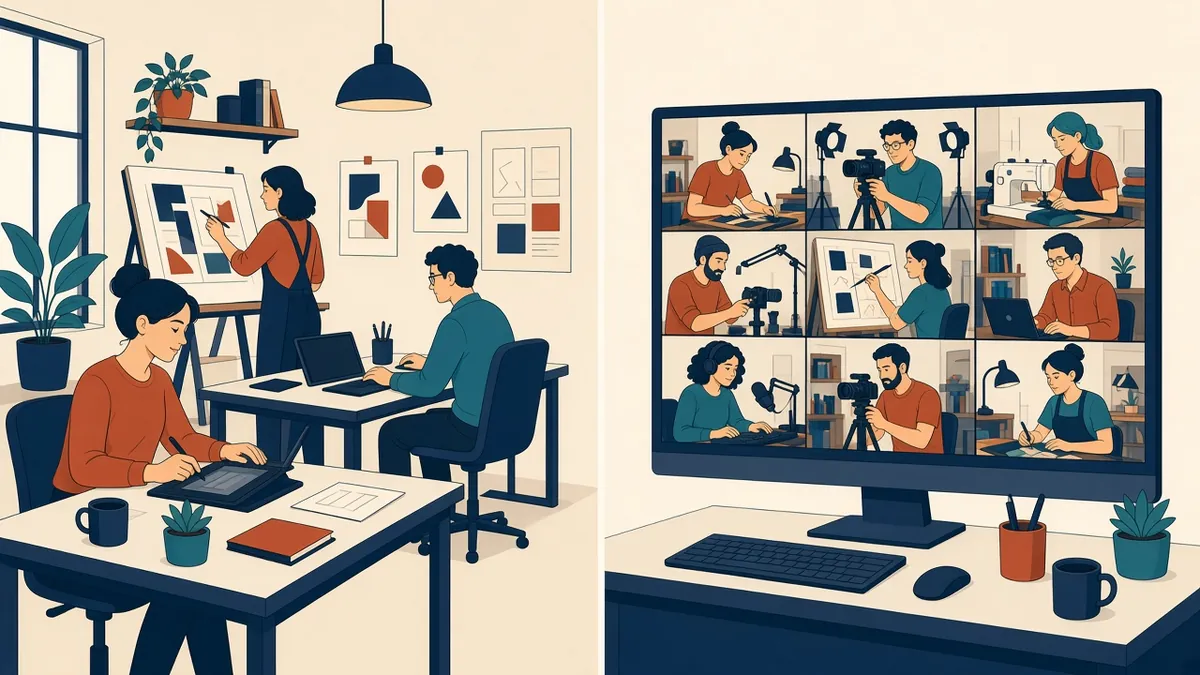
When the workload grows, the first question is usually "hire or outsource?" The honest answer depends on the work.
When workload grows, practices face a choice: hire more staff or outsource some production. Both have benefits. The best choice depends on the nature of the workload, the practice's long-term plans and how it prefers to work.
Hiring in-house
Benefits:
- Staff are fully integrated with the team and culture
- Knowledge stays within the practice
- Easy face-to-face collaboration
- Direct control over priorities
Challenges:
- Recruitment takes time
- Ongoing commitments, regardless of workload
- Training and management time
- Office space and equipment
Outsourcing
Benefits:
- Flexible capacity that can scale with workload
- Access to specialist skills, such as Revit modelling or scan to BIM
- Faster to start once a partner is set up
- Less recruitment and training effort
Challenges:
- Communication across distance
- Time needed to brief and review work
- Less direct control
- Need for clear standards and processes
When hiring fits
- Steady, long-term workload
- Work needing close design involvement
- Building core skills and future leaders
- Roles involving client contact or site work
When outsourcing fits
- Fluctuating workloads or peaks
- Well-defined production tasks
- Specialist tasks needed occasionally
- Testing growth before committing to new staff
Combining both
Many practices combine the two. A core in-house team handles design, coordination and client contact, while an outsourcing partner supports production. This lets the practice grow its core team steadily while handling peaks flexibly.
Knowledge retention
In-house staff build knowledge of clients, projects and standards over time. With outsourcing, a dedicated team that works on your projects consistently can build similar familiarity. Documented standards help both.
Management effort
Both options need management. New hires need training and supervision. Outsourcing needs briefing, review and coordination. Neither is effort free, so plan for it.
Quality and responsibility
Whichever approach is used, the practice remains responsible for the work it issues. Review processes should be equally rigorous for in-house and outsourced drawings.
Making the decision
Look at your workload over the past year and the year ahead. Consider which tasks need close design involvement and which are well defined. That analysis usually shows where each approach fits.
Think about the long term
Consider where the practice wants to be in a few years. If growth is the goal, outsourcing can bridge the gap while the practice builds its core team. If workload is expected to stay variable, flexible capacity may remain the better option.
- 01Hiring in-house
- 02Outsourcing
- 03When hiring fits
- 04When outsourcing fits
- 05Combining both
- 06Knowledge retention
Talk to the team
There's no single right answer. Thoughtful combinations of in-house and outsourced capacity help practices stay flexible while keeping quality high.
If your team needs extra production capacity for work like this, take a look at our Architectural production services, or tell us about your project.
Related articles

Scaling Architectural Production for Workload Peaks
Planning flexible capacity for busy periods without losing quality.
Read more →
Dedicated Team vs Project-Based Outsourcing
Two common engagement models and how to pick between them.
Read more →
Outsourcing for Small Architecture Practices
How small practices and sole practitioners can use outsourcing well.
Read more →