
Handling Errors and Rework in Outsourced Drawings
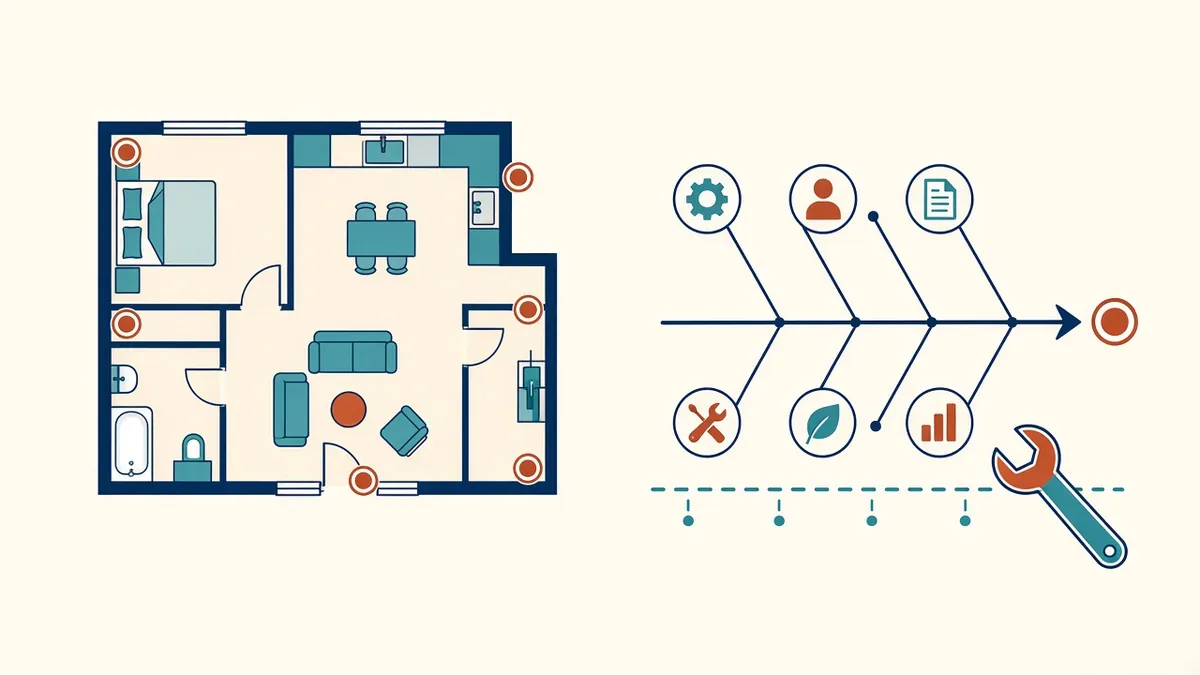
Errors happen in every team. What matters is how quickly they're found, fixed and prevented next time.
Errors happen in every production process, whether in-house or outsourced. What matters is how they're found, fixed and prevented. A calm, structured approach keeps projects on track and improves the partnership.
Find errors early
The earlier errors are found, the easier they are to fix. Short review cycles and layered checks help catch errors before they spread across drawings.
Describe errors clearly
When reporting an error:
- Identify the sheet, view or element
- Describe what's wrong
- Explain what's correct
- Provide references, such as markups or standards
Clear descriptions help the team fix errors quickly and correctly.
- Issue drawings
- Mark up comments
- Revise the set
- Back-check every comment
- Close out and log
Prioritise
Not all errors are equal. Prioritise those affecting:
- Safety and compliance
- Coordination with other disciplines
- Imminent issues or submissions
Minor presentation issues can be grouped and fixed together.
Find the cause
- Was the brief unclear?
- Was information missing or outdated?
- Was a standard not shared or not understood?
- Was the deadline too tight for checking?
- Was it a simple mistake?
Understanding the cause helps prevent repeats.
Corrections versus changes
Distinguish errors against the brief from changes in requirements. Agreements often treat them differently, so being clear avoids disputes.
Agree how rework is handled
Agreements should explain how corrections are handled, including timescales. Clear arrangements make discussions straightforward.
Prevent repeats
- Update checklists with recurring errors
- Clarify standards
- Improve briefs
- Provide examples
- Offer short training sessions
Keep a log
A log of errors, causes and actions shows patterns over time. It's useful in performance reviews.
Stay constructive
Errors are learning opportunities. A blame-focused response discourages teams from raising concerns. A constructive response encourages openness and improvement.
Check fixes
When corrected drawings return, check that errors are fixed and no new issues have been introduced. Compare tools help.
Escalate when needed
If errors persist despite feedback, escalate through agreed channels. Persistent issues might need changes to the team, process or scope.
Plan for review in the programme
Rework is much easier to absorb when the programme includes review time. Tight programmes with no review time turn small errors into deadline problems.
Share good examples
Alongside errors, share examples of work done well. Showing what good looks like helps the team understand expectations.
- 01Find errors early
- 02Describe errors clearly
- 03Prioritise
- 04Find the cause
- 05Corrections versus changes
- 06Agree how rework is handled
Review the process periodically
Every few months, look at the error log with the partner and agree process improvements.
Handling errors well builds trust, improves quality and makes the partnership stronger over time.
If your team needs extra production capacity for work like this, take a look at our Architectural production services, or tell us about your project.
Related articles
Markups and Feedback Loops With Outsourced Teams
Clear markups and feedback cycles that cut rework.
Read more →
Measuring Outsourcing Performance
Simple measures that show whether a partnership is working.
Read more →
Quality Control for Outsourced Architectural Drawings
Checklists and review steps that catch errors before drawings reach your desk.
Read more →