
Onboarding a New Outsourcing Partner

The first few weeks with a new partner shape everything that follows. Onboarding is where you set the tone.
The first few weeks with a new outsourcing partner set the tone for the relationship. A structured onboarding process helps the partner understand your standards, systems and expectations, and helps your team learn how to work with them.
Before work starts
- Sign agreements, including confidentiality and data protection terms
- Agree the engagement model and scope
- Identify main contacts on both sides
- Agree working hours and meeting times
Share your standards
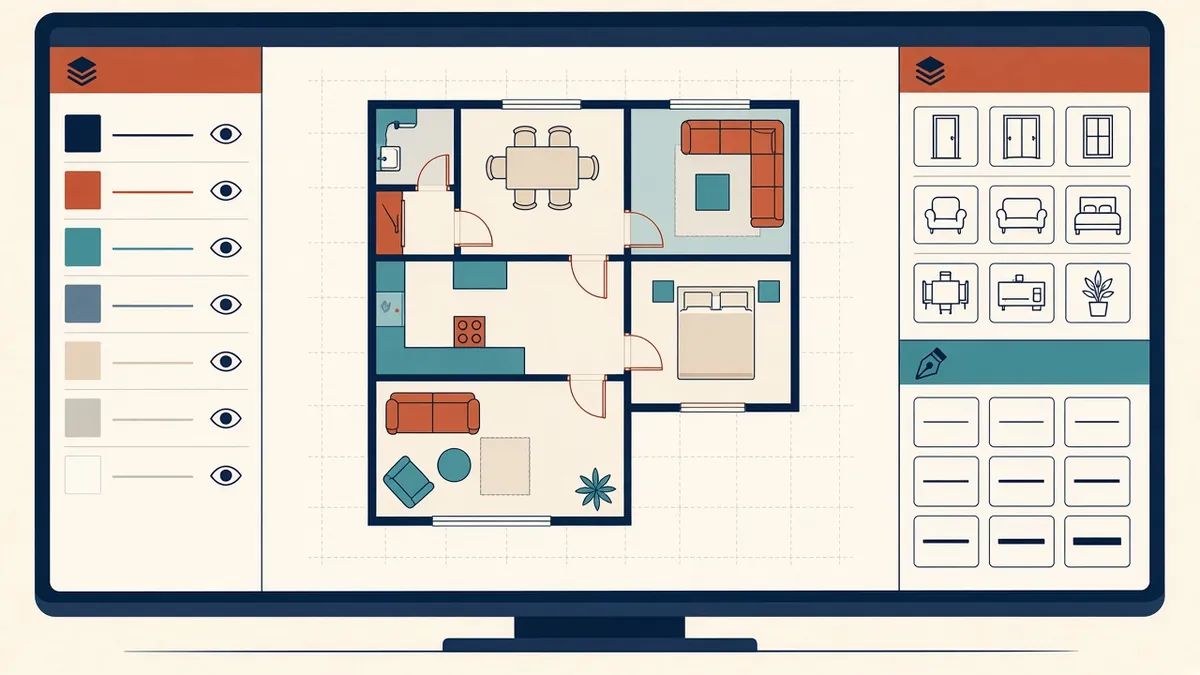
- CAD standards, such as layers, line weights and text styles
- Revit templates, families and naming conventions
- Title blocks and sheet layouts
- Drawing checklists
- Example drawing sets that show your style
A standards pack with examples is often more useful than a long manual.
Set up systems
- File sharing and access permissions
- Software versions, so files open correctly
- Communication tools, such as email, chat and video calls
- Task tracking, such as a shared tracker or project management tool
Test file exchange before starting real work.
Agree processes
- How briefs will be issued
- How questions will be raised and answered
- How work will be delivered and reviewed
- How feedback will be given
- How changes and urgent requests will be handled
Run a kickoff meeting
A kickoff meeting introduces the teams, explains the first task and walks through standards. Screen sharing a live project helps the partner see how your drawings and models are organised.
Start with a pilot task
A small first task tests the process without much risk. Review it carefully, give detailed feedback and update standards or briefs based on what you learn.
Give feedback early
Early feedback helps the partner adjust quickly. Be specific, with marked-up examples where possible. Note what's good as well as what needs changing.
Document decisions
Review after the first month
Hold a short review after the first month or first few tasks. Discuss what's working, what isn't and what to change.
Common onboarding mistakes
- Sharing outdated templates
- Starting with an urgent, complex task
- No clear contact for questions
- Limited feedback on early work
Plan for growth
As the relationship develops, onboarding materials can be reused for new team members on the partner side.
- 01Before work starts
- 02Share your standards
- 03Set up systems
- 04Agree processes
- 05Run a kickoff meeting
- 06Start with a pilot task
Share project context
Beyond standards, share context about typical clients, building types and regions. It helps the partner understand why your standards are the way they are.
Good onboarding takes some effort at the start but saves much more time over the life of the relationship.
If your team needs extra production capacity for work like this, take a look at our Architectural production services, or tell us about your project.
Related articles
Handing Over CAD Standards to an Outsourcing Team
Layers, plot styles, blocks and xrefs, packaged so drawings match yours.
Read more →
Running a Pilot Project With an Outsourcing Partner
Testing a partner on a small, real task before committing.
Read more →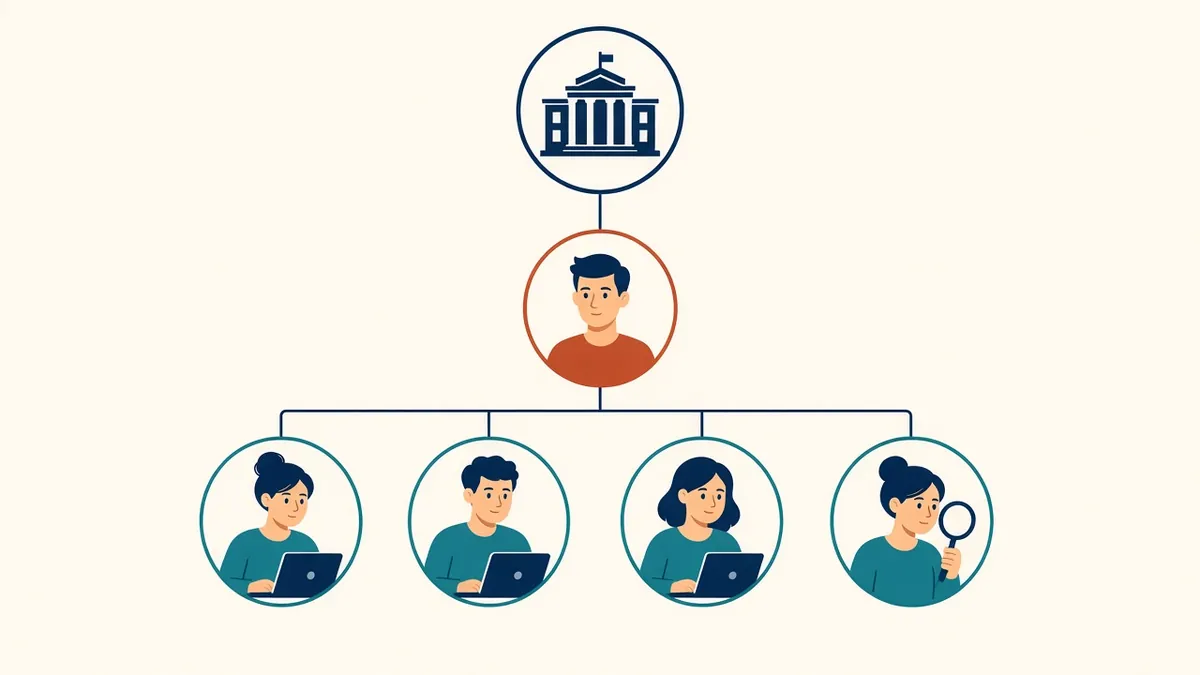
Roles in an Outsourced Architectural Production Team
Who does what in an outsourced team, and who your contact should be.
Read more →