
Running Effective MEP Coordination Meetings
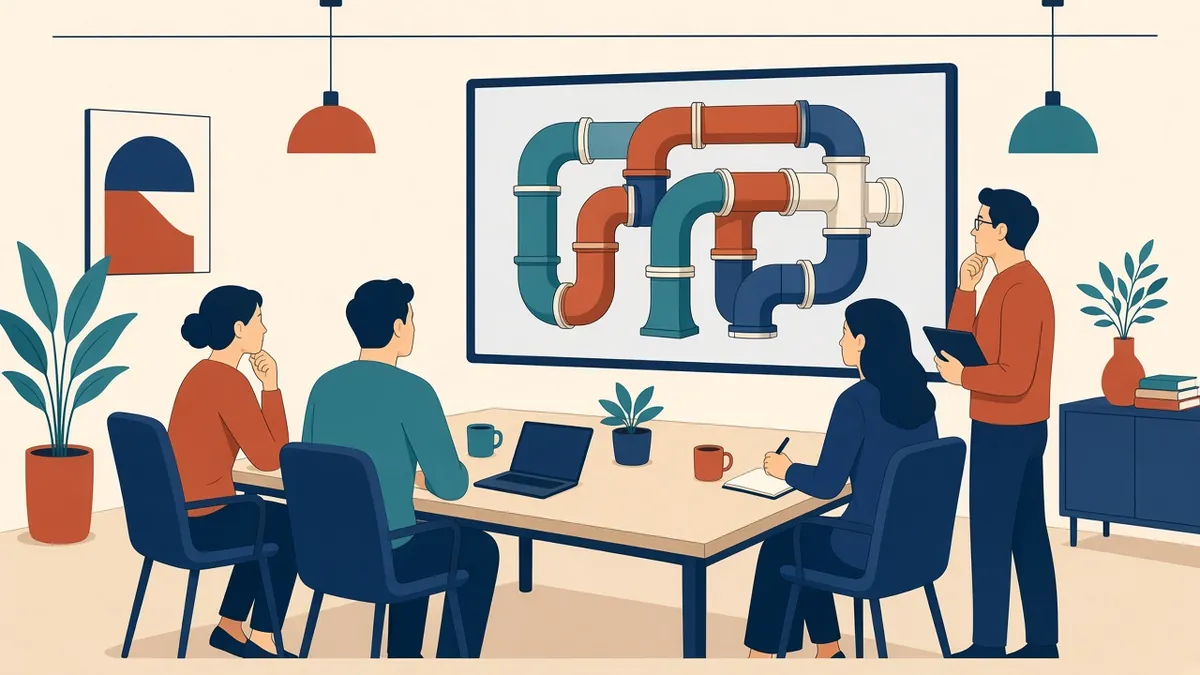
A coordination meeting can resolve dozens of issues in an hour, or go round in circles all afternoon.
Coordination meetings bring the design team together to resolve MEP issues. Run well, they move coordination forward quickly. Run poorly, they repeat the same discussions week after week. A clear structure makes the difference.
Who attends
- Architect
- Structural engineer
- MEP engineers or subcontractors
- BIM coordinator
- Contractor representatives, during construction phases
- Specialists, such as fire or facade consultants, when needed
Keep attendance focused on the issues being discussed.
Prepare in advance
- Update models or drawings before the meeting
- Run clash detection and group results
- Prepare an issue list with priorities
- Share the agenda
Preparation lets the meeting focus on decisions rather than discovering problems.
A typical agenda
- Review actions from the previous meeting
- Review new and open issues by area or system
- Discuss priority clashes and design questions
- Agree decisions and owners
- Confirm next steps and deadlines
Review by area
Working through the building area by area, such as floor by floor or zone by zone, keeps discussions organised. Focus on congested areas first.
Use the model
On BIM projects, reviewing the federated model on screen helps everyone see the problem. Saved viewpoints for each issue make it quick to navigate.
Make decisions
Record actions
Follow up
Share actions soon after the meeting. Check progress before the next meeting.
Escalate when needed
Some issues need decisions from the client or project manager, such as changes affecting cost or programme. Escalate them promptly.
Keep meetings regular
Regular meetings, such as weekly during intense coordination periods, keep momentum. Adjust frequency as coordination progresses.
Avoid common problems
- Models not updated before meetings
- Too many people attending
- No clear decisions
- Actions not followed up
- Design changes not shared
Review progress
Track the number of open issues over time. A falling trend shows coordination is progressing.
Keep a consistent format
Using the same agenda structure and issue log format every meeting makes progress easy to follow. Everyone knows where to find open items and what's expected of them.
- 01Who attends
- 02Prepare in advance
- 03A typical agenda
- 04Review by area
- 05Use the model
- 06Make decisions
Share visuals
Screenshots or saved viewpoints for each issue help people who couldn't attend understand decisions quickly.
Well-run coordination meetings turn clash reports into decisions and keep the project on track.
If your team needs extra production capacity for work like this, take a look at our Architectural production services, or tell us about your project.
Related articles
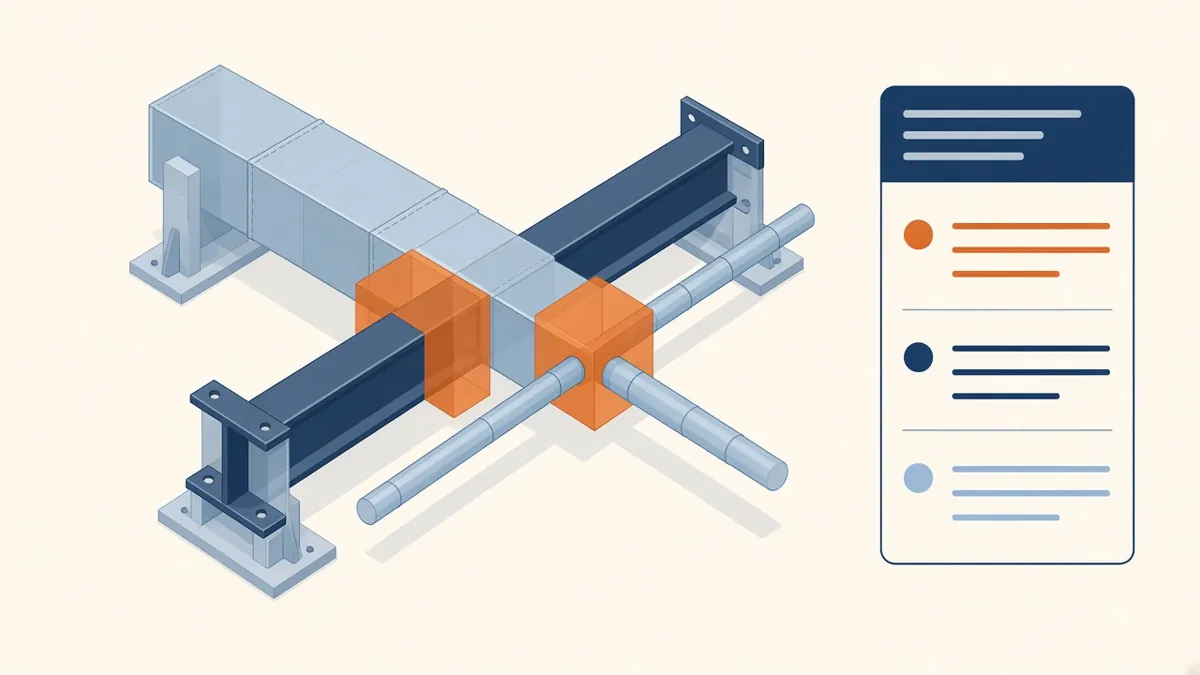
Clash Detection Explained for Architecture Teams
Hard clashes, clearance clashes and how to turn clash reports into decisions.
Read more →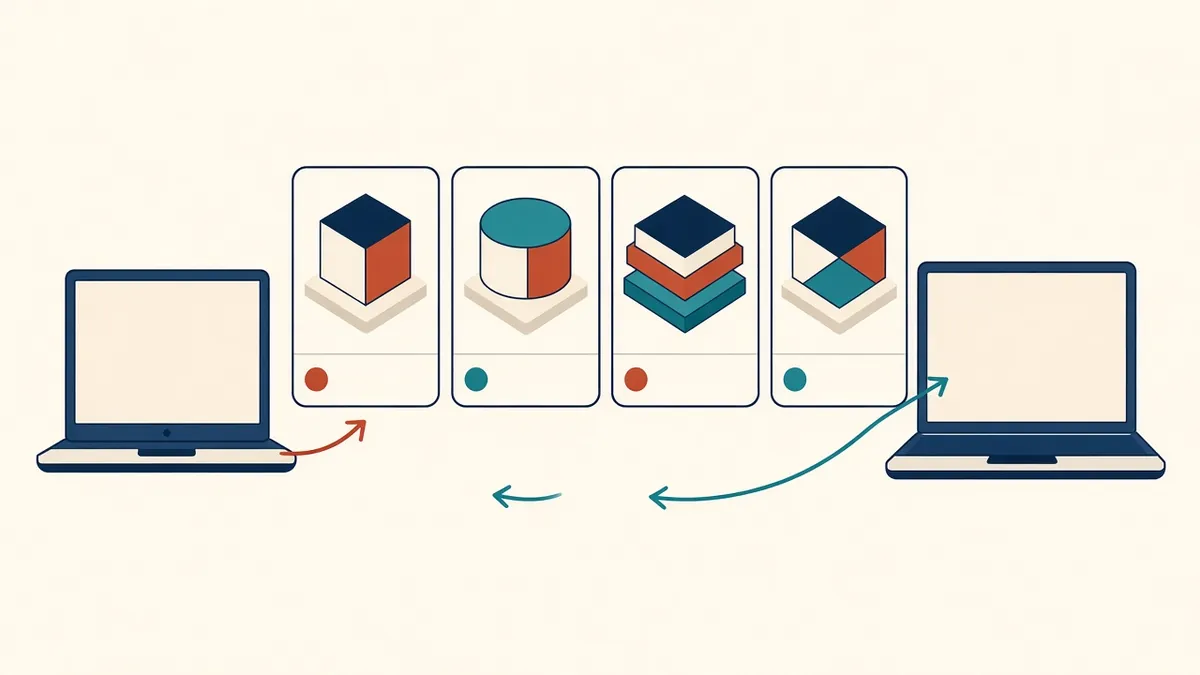
BCF Issue Tracking for MEP Coordination
Sharing coordination issues across software with BCF.
Read more →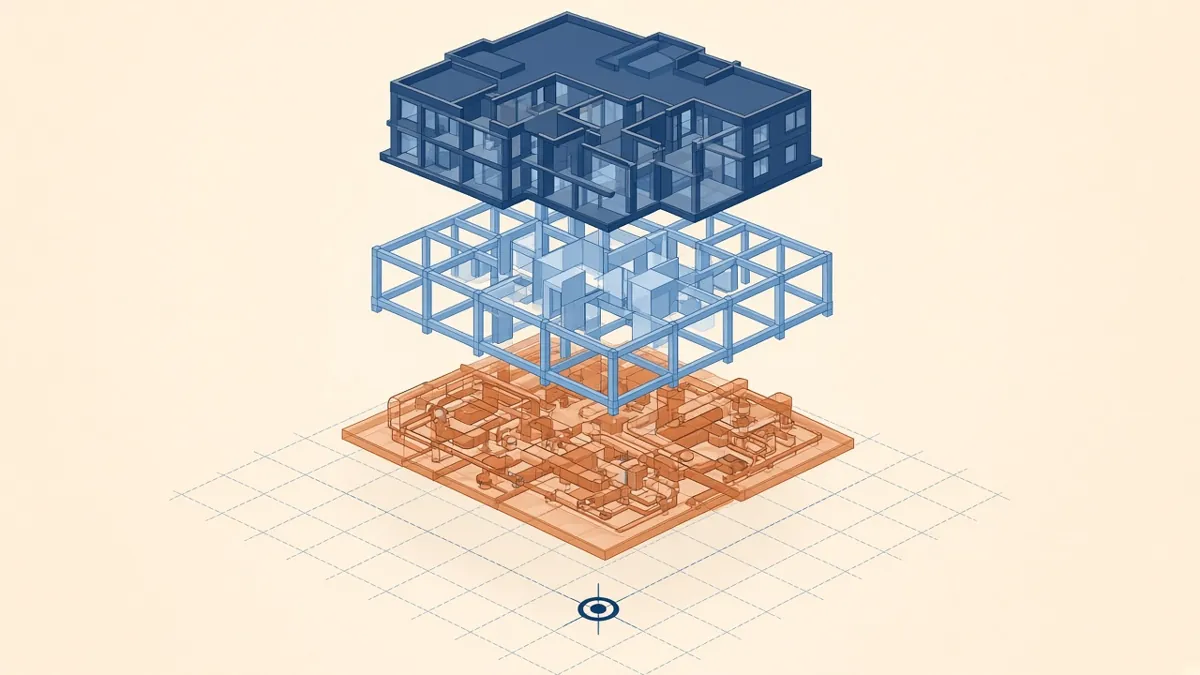
A Practical BIM Coordination Workflow for Design Teams
Setting up shared coordinates, model exchanges and coordination cycles that actually resolve issues.
Read more →