
How to Research Building Codes Efficiently
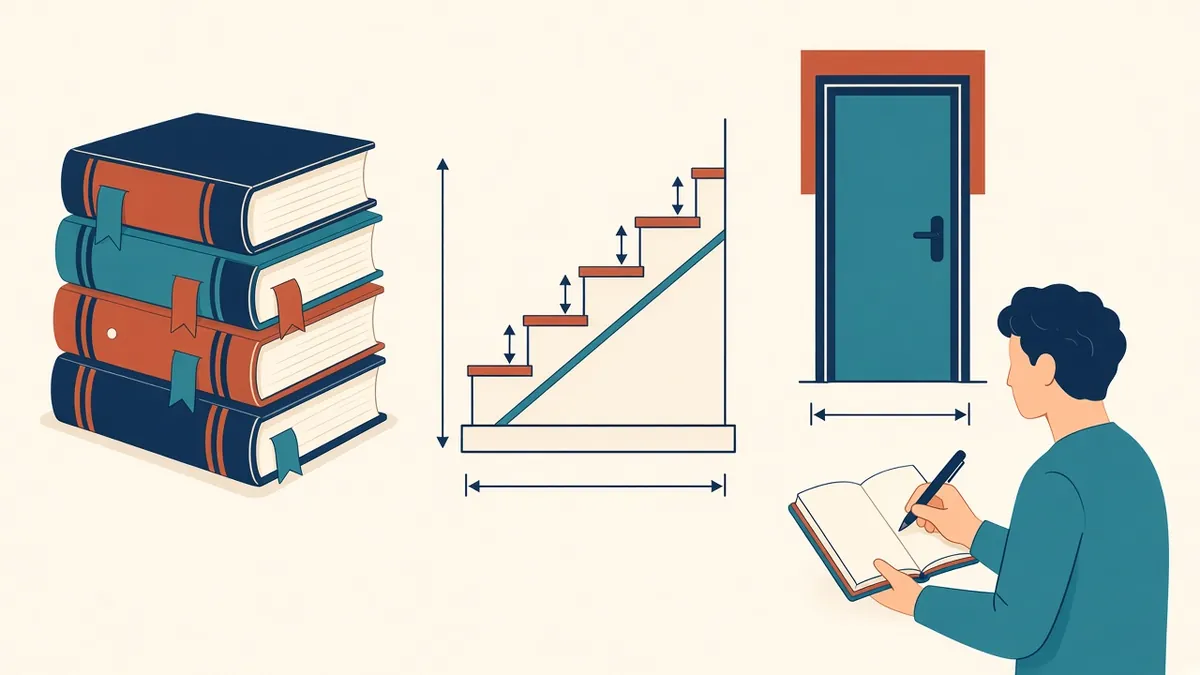
Codes are long and interlinked. A good research method finds the right clause without reading everything.
Building code research is part of every project. Codes are long, editions change and local amendments add complexity. An efficient research method helps teams find the right requirements and record them clearly.
Identify the applicable codes
- Which codes apply, such as building, fire, energy and accessibility codes
- Which editions are adopted
- Which local amendments apply
- Which other standards are referenced
In the US, jurisdictions adopt specific editions of model codes. In the UK, the Approved Documents in force at the time of application, along with transitional arrangements, apply. In the UAE, authority regulations and codes apply.
Use official sources
Use official sources where possible:
- ICC's online code library for US model codes
- Local jurisdiction websites for amendments
- Government websites for UK Approved Documents
- Authority websites and portals for UAE regulations
Third-party summaries can help but may be out of date.
Read definitions
Code requirements often depend on definitions. Read definitions carefully, as terms may have specific meanings.
Follow references
Codes refer to other sections and standards. Follow references to make sure you have the full requirement.
Exceptions
Many requirements have exceptions. Read the whole section, including exceptions, before concluding.
Interpretations
Some authorities publish interpretations, bulletins or guidance. These show how requirements are applied locally.
Ask the authority
For unclear requirements, ask the building official or authority. Record the question and response.
Record findings
A code analysis document records:
- Code sections and editions
- Requirements
- How the design complies
- Open questions
Keep it updated as design develops.
Check for updates
Codes and amendments change. Check for updates during long projects.
Use checklists
Office checklists for common building types help teams avoid missing requirements.
Team knowledge
Share code research across the office. A library of past analyses and interpretations saves time.
Specialist advice
Complex projects may need code consultants, fire engineers or accessibility consultants.
Record the edition
Always note the edition and amendment status of each code you cite. A requirement quoted without its edition is hard to check later, and may be out of date.
- 01Identify the applicable codes
- 02Use official sources
- 03Read definitions
- 04Follow references
- 05Exceptions
- 06Interpretations
Work in steps
Split research into clear steps, such as classification, construction type, egress, fire and accessibility. This keeps large reviews manageable.
Efficient code research saves time, avoids errors and gives the design team confidence in compliance decisions.
| Region | What this guide notes |
|---|---|
| US | In the US, jurisdictions adopt specific editions of model codes. |
| UK | In the UK, the Approved Documents in force at the time of application, along with transitional arrangements, apply. |
| UAE | In the UAE, authority regulations and codes apply. |
If your team needs extra production capacity for work like this, take a look at our Architectural production services, or tell us about your project.
Related articles
Code Analysis Basics for Architectural Projects
The questions a code analysis answers, and when to start one.
Read more →
Preparing US Permit Drawings Under the IBC
What US plan reviewers expect to see, and how the IBC shapes a permit set.
Read more →
Pre-Design Research for Architecture Projects
Site, zoning, code and precedent research that sets a project up well.
Read more →