
Drawings During Construction Administration
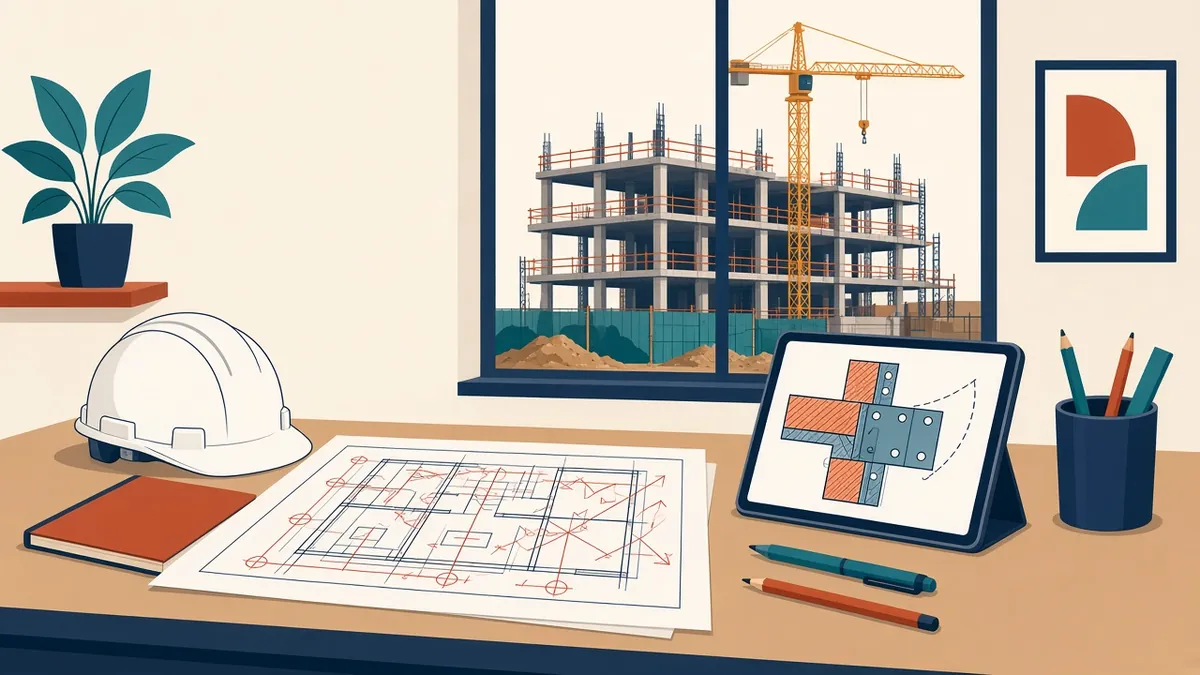
Once construction starts, the drawing work doesn't stop. It just gets faster, smaller and more urgent.
Once construction starts, the drawing set keeps changing. Sketches answer RFIs, submittals introduce supplier details and site conditions force adjustments. Construction administration is about keeping all of that controlled, so the contractor always builds from the right information.
One current set
The most important rule is that everyone works from one current set. Publish a clear list of current drawings and revisions, and make sure superseded drawings are clearly marked or withdrawn. Cloud platforms make this easier, but only if they're kept up to date.
Types of information issued
- Sketches answering RFIs or clarifying details
- Revised drawings incorporating changes
- Instructions from the contract administrator, which may include drawings
- Submittal review comments on shop drawings and product data
Each type should be numbered, dated and logged.
Submittal and shop drawing review
Contractors submit shop drawings, product data and samples for review. Review them against the design intent and the contract documents, mark comments clearly and return them with a status. Keep a submittal log so nothing waits too long.
Site visits
Site visits often reveal questions that need drawings. Take photos, record observations and follow up with sketches or revisions where needed. Make sure any instructions given on site are confirmed in writing through the proper route.
Revisions
When drawings are revised during construction:
- Cloud and tag changes with the revision
- Update the revision schedule and drawing register
- Issue with a transmittal
- Note the reason for change, such as RFI number or instruction number
This trail is important if questions arise later about why something changed.
Managing change
Changes may have cost or time implications. Drawings shouldn't be used to slip in changes without going through the contract's change procedures. Flag any change that might affect cost to the contract administrator.
Keep the model in step
Close-out
Near completion, gather all sketches, revisions and instructions. They feed into record drawings and the handover information for the building owner.
- 01One current set
- 02Types of information issued
- 03Submittal and shop drawing review
- 04Site visits
- 05Revisions
- 06Managing change
Communicate through agreed routes
Contracts usually define who issues instructions and how. Information sent informally, such as a quick sketch by message, can create confusion about whether it's an instruction. Use the agreed route for anything that affects the work, and keep copies in the project record, so there's no doubt later about what was issued and when.
Good construction administration isn't glamorous, but it protects the design, the client and the Architect. A controlled flow of drawings is at the heart of it.
If your team needs extra production capacity for work like this, take a look at our Architectural production services, or tell us about your project.
Related articles
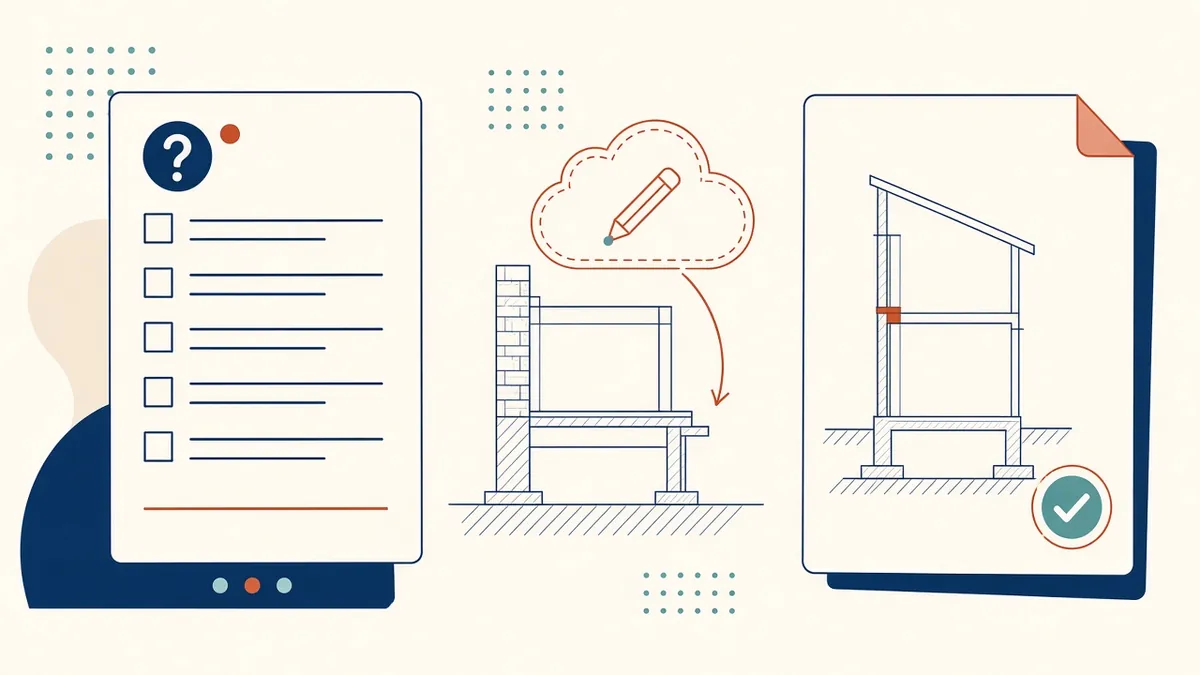
Responding to RFIs with Clear Drawings
Answering RFIs quickly and clearly, and keeping the set in step.
Read more →
As-Built and Record Drawings: What's the Difference?
Who prepares them, what they should show and how they're handed over.
Read more →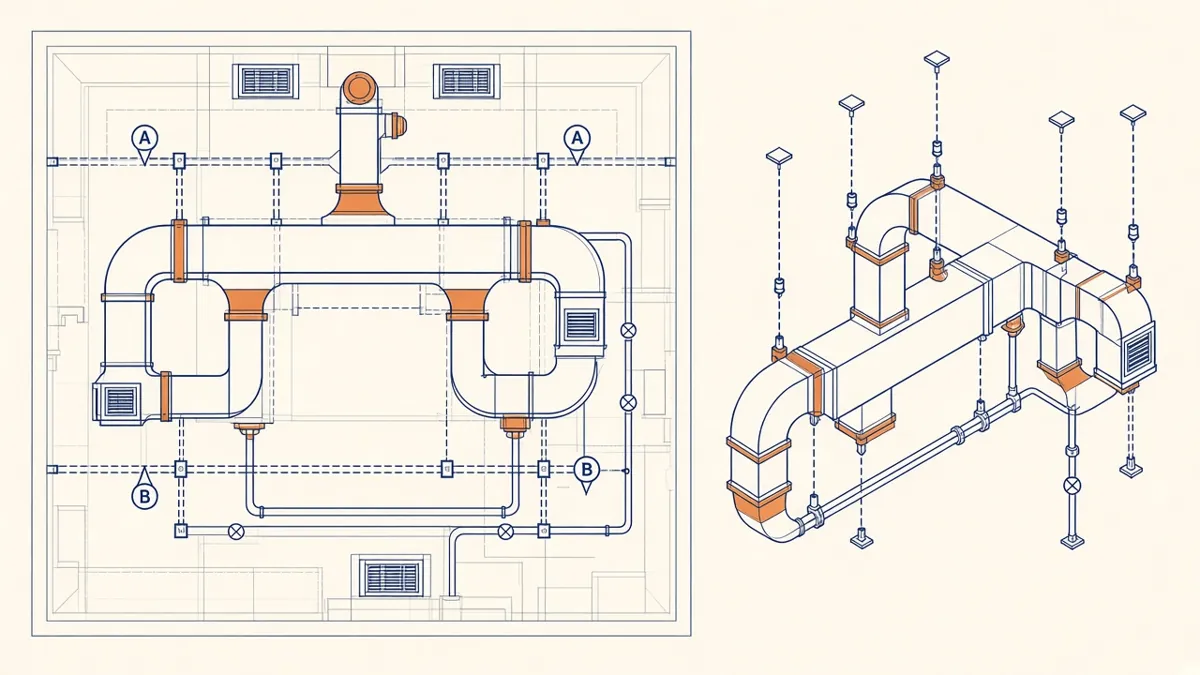
MEP Shop Drawings: What Architects Should Check
How shop drawings differ from design drawings, and what to look for in review.
Read more →