
Outsourcing for Small Architecture Practices

For a small practice, one big project can swamp the whole team. Outsourcing can add capacity without adding overheads.
Small practices and sole practitioners often have the most to gain from outsourcing, and the least time to set it up. With limited staff, every hour spent on production is an hour not spent on design, clients or business development. Used well, outsourcing can give small practices the capacity of a larger team.
Why small practices outsource
- Flexible capacity without hiring
- More time for design and clients
- Access to skills such as Revit modelling or rendering
- Ability to take on larger projects
- Help with peaks around submissions
Start small
Begin with simple, well-defined tasks, such as redrafting existing drawings, producing as-existing drawings from surveys or converting sketches to CAD. These tasks are easy to brief and review.
Keep standards simple
Small practices may not have formal standards manuals. A template file, a title block and a few example drawings are often enough to start. Standards can grow as the relationship develops.
Protect your time
Briefing and review take time. Plan for them and use templates for briefs and checklists to reduce effort. Over time, a partner who knows your style needs less guidance.
Build a relationship
Working with the same partner and the same people builds familiarity. This matters more for small practices, which can't afford to brief new teams repeatedly.
Clear communication
Responsibility
Even as a sole practitioner, you remain responsible for the drawings you issue. Review outsourced work carefully, and keep records of reviews.
Contracts and insurance
Use a clear written agreement covering scope, confidentiality, IP and responsibilities. Check professional indemnity insurance conditions.
Software and licences
Agree software versions so files open correctly. Partners usually use their own licences, but check.
Growing with outsourcing
As the practice grows, outsourcing arrangements can grow too, from occasional tasks to a dedicated team. Some practices use outsourcing to test growth before hiring.
Common pitfalls
- Outsourcing urgent tasks without preparation
- Sending incomplete information
- Skipping reviews due to time pressure
- Changing partners frequently
Know when it doesn't fit
Some tasks, such as early design or site-heavy work, may still be best done personally. Outsourcing should support the practice, not replace the Architect's role.
- 01Why small practices outsource
- 02Start small
- 03Keep standards simple
- 04Protect your time
- 05Build a relationship
- 06Clear communication
Track the benefit
Note how much time outsourcing frees up and how that time is used. It helps decide whether to expand the arrangement.
Small practices can use outsourcing to compete for larger projects and spend more time on the work they value most.
If your team needs extra production capacity for work like this, take a look at our Architectural production services, or tell us about your project.
Related articles

What to Outsource First in Architectural Production
Good starter tasks for outsourcing, and what to keep in-house at first.
Read more →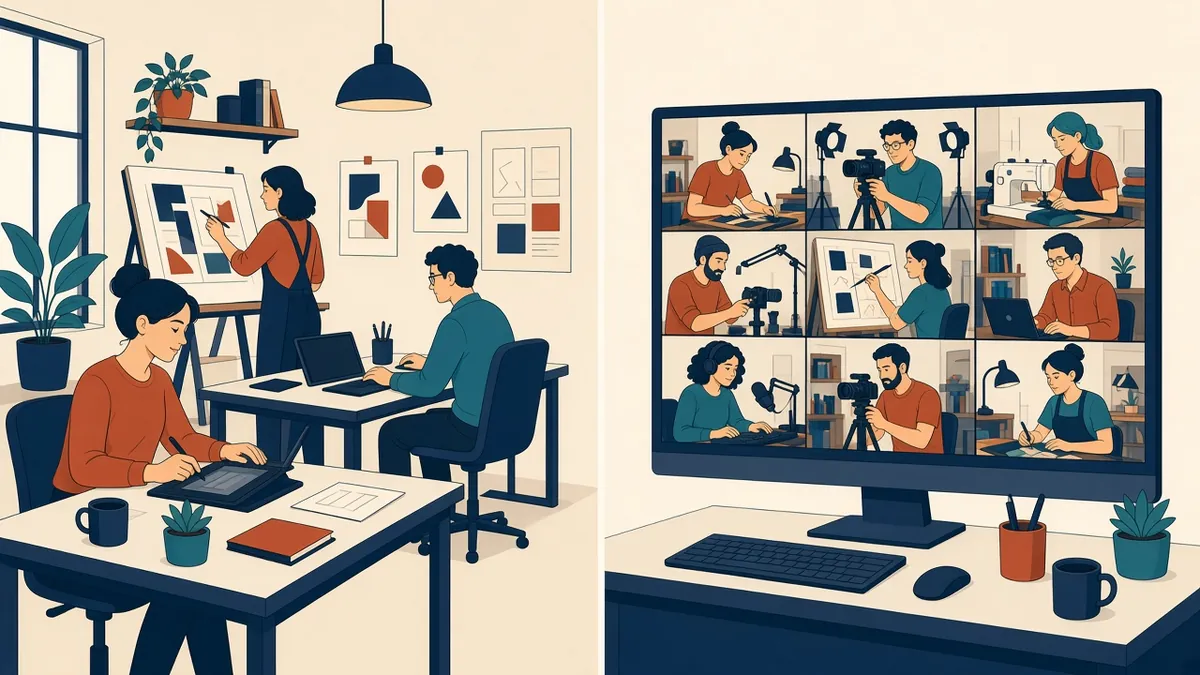
Outsourcing vs Hiring In-House Staff
Comparing flexibility, control and knowledge retention.
Read more →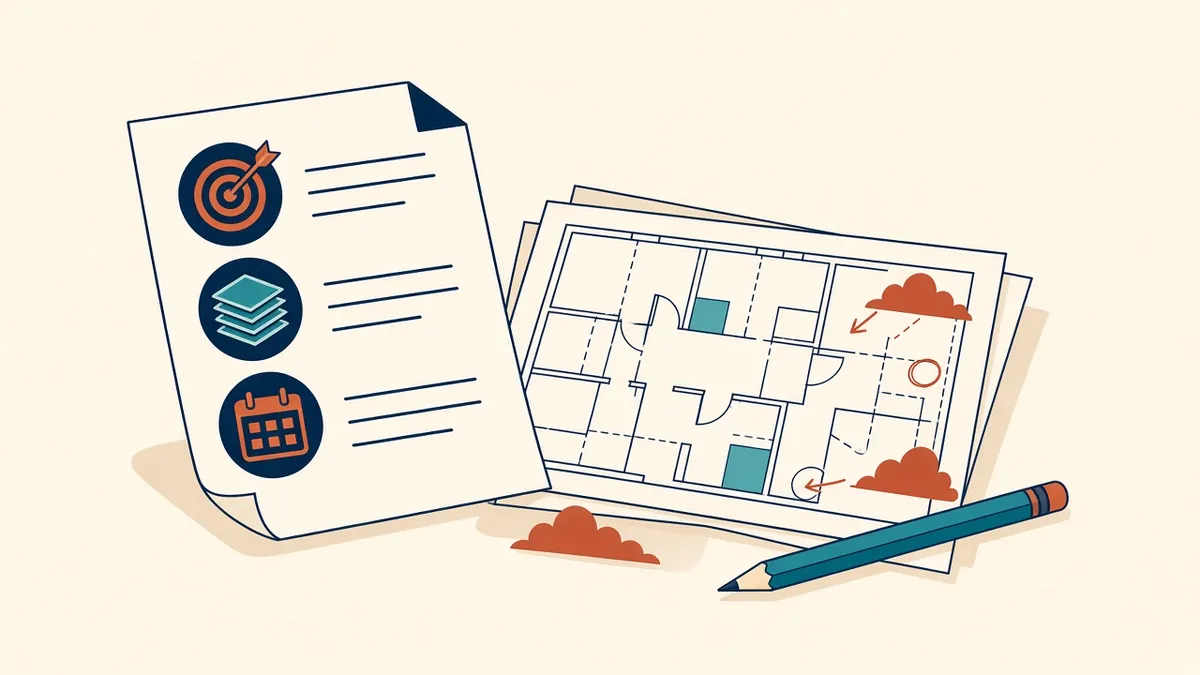
How to Write a Brief for Outsourced Drawing Work
The brief that gets outsourced drawings right the first time.
Read more →