
Estidama Pearl Rating System in Abu Dhabi
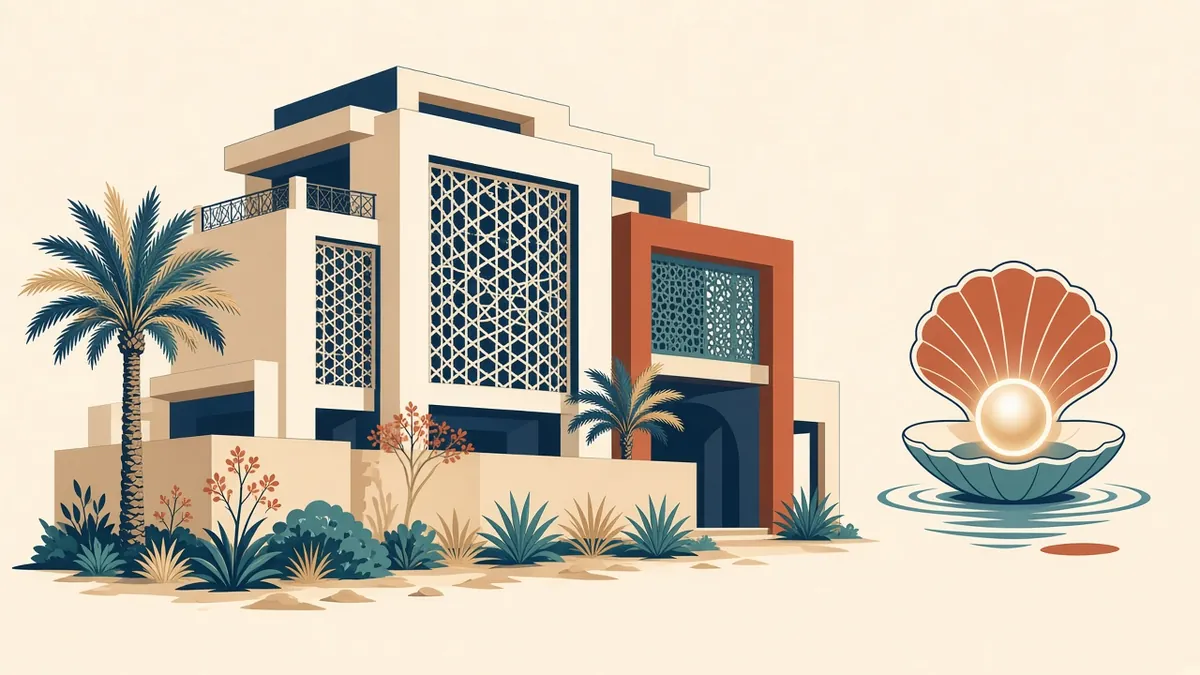
In Abu Dhabi, Estidama and its Pearl Rating System bring sustainability into the approval process.
Estidama, meaning sustainability in Arabic, is Abu Dhabi's sustainability programme for development. Its Pearl Rating System sets sustainability requirements for buildings, villas and communities. It was introduced by the Abu Dhabi Urban Planning Council, and responsibility now sits with the emirate's Department of Municipalities and Transport.
The rating systems
- Pearl Building Rating System (PBRS): for buildings
- Pearl Villa Rating System (PVRS): for villas
- Pearl Community Rating System (PCRS): for communities and master plans
Rating levels
Ratings range from 1 Pearl to 5 Pearls. A minimum rating has generally been required for new developments, commonly 1 Pearl, with higher minimums, commonly 2 Pearls, for government-funded buildings. Check the current requirements for the project type, as policies can change.
Categories
The rating systems are organised around categories such as:
- Integrated development process
- Natural systems
- Livable buildings or communities
- Precious water
- Resourceful energy
- Stewarding materials
- Innovating practice
Each category includes required credits and optional credits.
Design and construction stages
Pearl ratings are typically assessed at two stages:
- Design rating: based on design documents, usually needed as part of the permit process
- Construction rating: confirming the building was constructed as designed
Integrated development process
Estidama emphasises collaboration from early design. Teams typically include a qualified Pearl professional who guides the process and documentation.
How it affects design
- Envelope performance and glazing
- Shading and orientation
- Water-efficient fixtures and landscaping
- Energy-efficient systems
- Materials selection and waste management
- Indoor environmental quality
Documentation
Design teams prepare drawings, specifications, calculations and credit submissions. Architectural drawings should show relevant features clearly, such as shading, glazing and materials.
Coordination
Keep up to date
Requirements and guidance documents have been updated over time. Always check the current version with the authority before starting design.
Start the credit plan early
At the start of the project, agree which credits the team will pursue and who's responsible for each. A credit tracker, updated at each design stage, keeps the team focused and shows progress towards the target rating.
Think about construction
Construction ratings depend on what's actually built. Contractors need to understand the requirements, provide evidence and manage waste and materials as planned. Clear specifications and site briefings help.
- 01The rating systems
- 02Rating levels
- 03Categories
- 04Design and construction stages
- 05Integrated development process
- 06How it affects design
Keep evidence organised
Store drawings, calculations, product data and site records in a structured way, linked to each credit. It makes submissions and audits much easier.
Estidama encourages sustainable buildings from the earliest stages. Understanding it early helps teams avoid redesigns and achieve the required rating.
If your team needs extra production capacity for work like this, take a look at our Architectural production services, or tell us about your project.
Related articles
Al Sa'fat: Dubai's Green Building System
Dubai's green building rating levels and documentation basics.
Read more →
Building Permits in Abu Dhabi: An Overview
Abu Dhabi's codes, approvals and typical permit drawings.
Read more →
Showing Energy Code Compliance on Drawings
Insulation, glazing and air tightness information reviewers look for.
Read more →