Digital Twins Explained for Architects
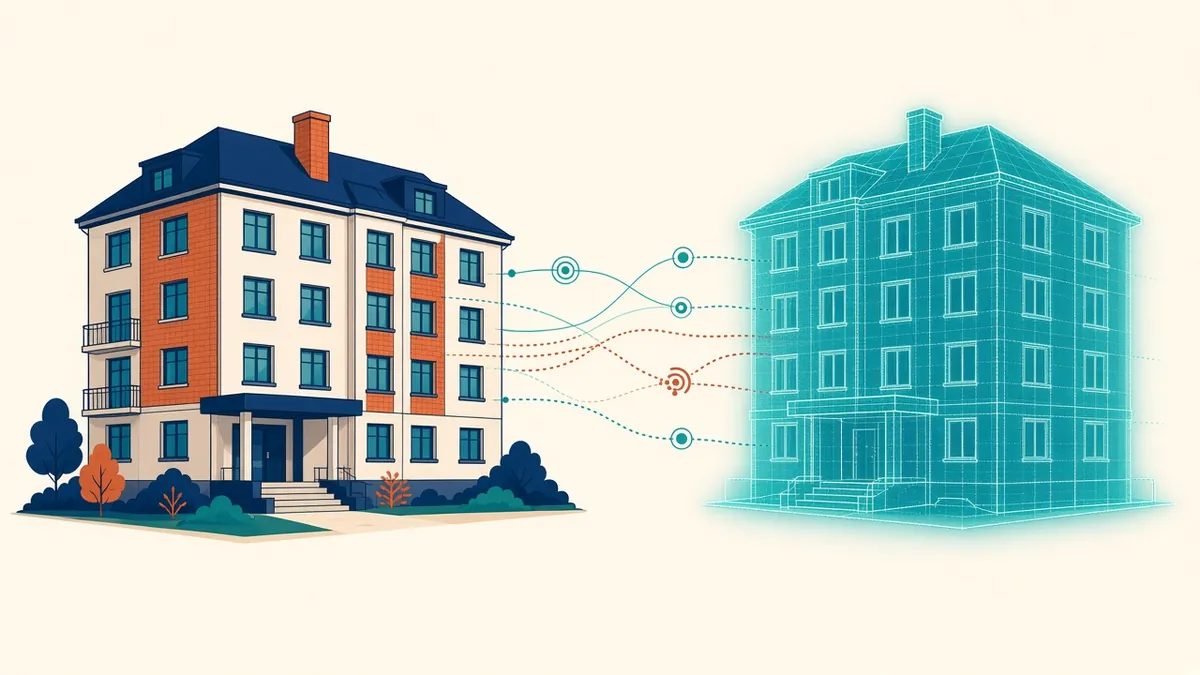
A digital twin is more than a 3D model. It's a model connected to how the real building is performing.
"Digital twin" is a widely used term, and it's often used loosely. In the built environment, it usually means a digital representation of a physical asset that's connected to data about its condition or performance. Understanding the idea helps Architects take part in conversations about it.
Digital twin vs BIM model
A BIM model describes a building's design or as-built condition. A digital twin goes further by linking the digital model with data from the real building, such as sensor readings, maintenance records or operational data. The twin is updated as the building changes.
Common components
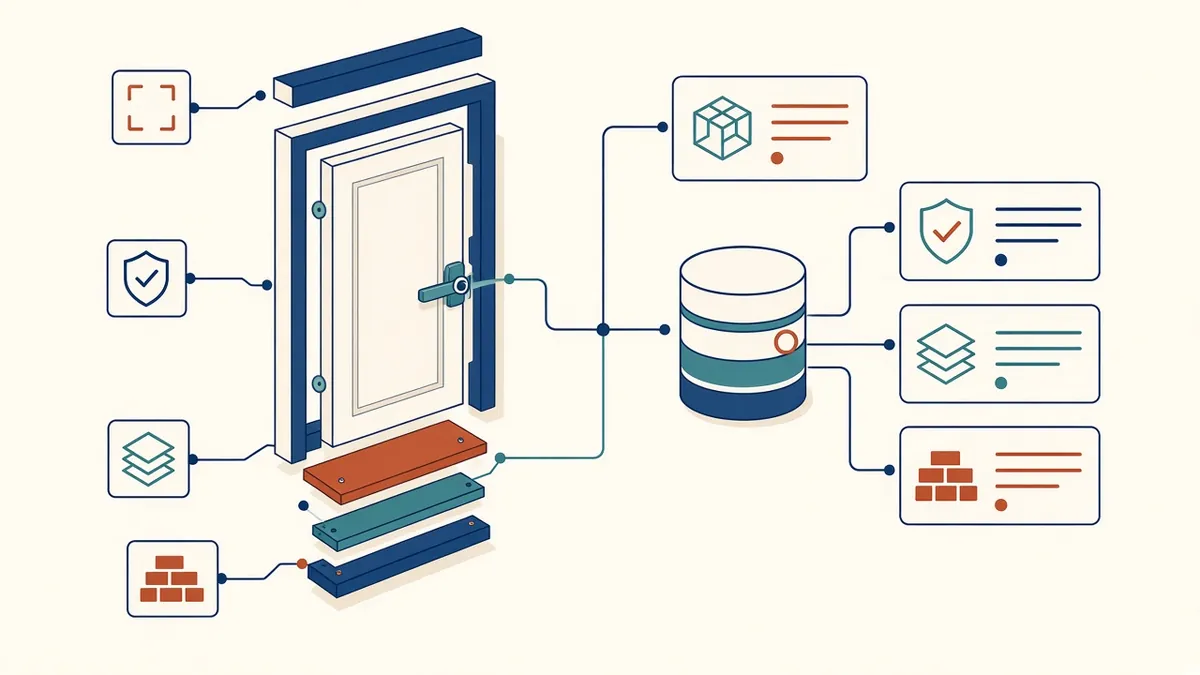
- A model or digital representation of the asset
- Data sources, such as sensors and building management systems
- A platform that connects model and data
- Analysis and visualisation tools
Uses
- Monitoring energy use and comfort
- Planning maintenance
- Managing space use
- Testing changes before making them
Levels of sophistication
Digital twins vary widely. Some are simple dashboards linked to a model. Others include simulation and prediction. There isn't a single agreed definition, so clarify what's meant on each project.
Starting with good information
Twins depend on accurate as-built information. Reliable models and asset data from handover give twins a sound starting point.
Asset information
Asset data, such as equipment types, locations and maintenance needs, is usually more valuable to operators than geometry alone. Standards such as ISO 19650 part 3 cover information for the operational phase.
Data standards
Open formats, such as IFC, and structured data help connect models with operational systems.
UK context
In the UK, the Centre for Digital Built Britain promoted ideas such as the Gemini Principles for national digital twins. Interest continues across government and industry.
Role of Architects
Architects may help define information requirements, deliver accurate models and advise on how spaces are used. Most twin platforms are run by owners or operators.
Data security
Realistic expectations
Twins require ongoing effort to maintain data. Define clear uses before investing.
- 01Digital twin vs BIM model
- 02Common components
- 03Uses
- 04Levels of sophistication
- 05Starting with good information
- 06Asset information
Start small
Owners often get more value from a focused use, such as tracking energy or space, than from trying to model everything at once.
Understanding digital twins helps Architects deliver information that remains useful long after handover.
If your team needs extra production capacity for work like this, take a look at our Architectural production services, or tell us about your project.